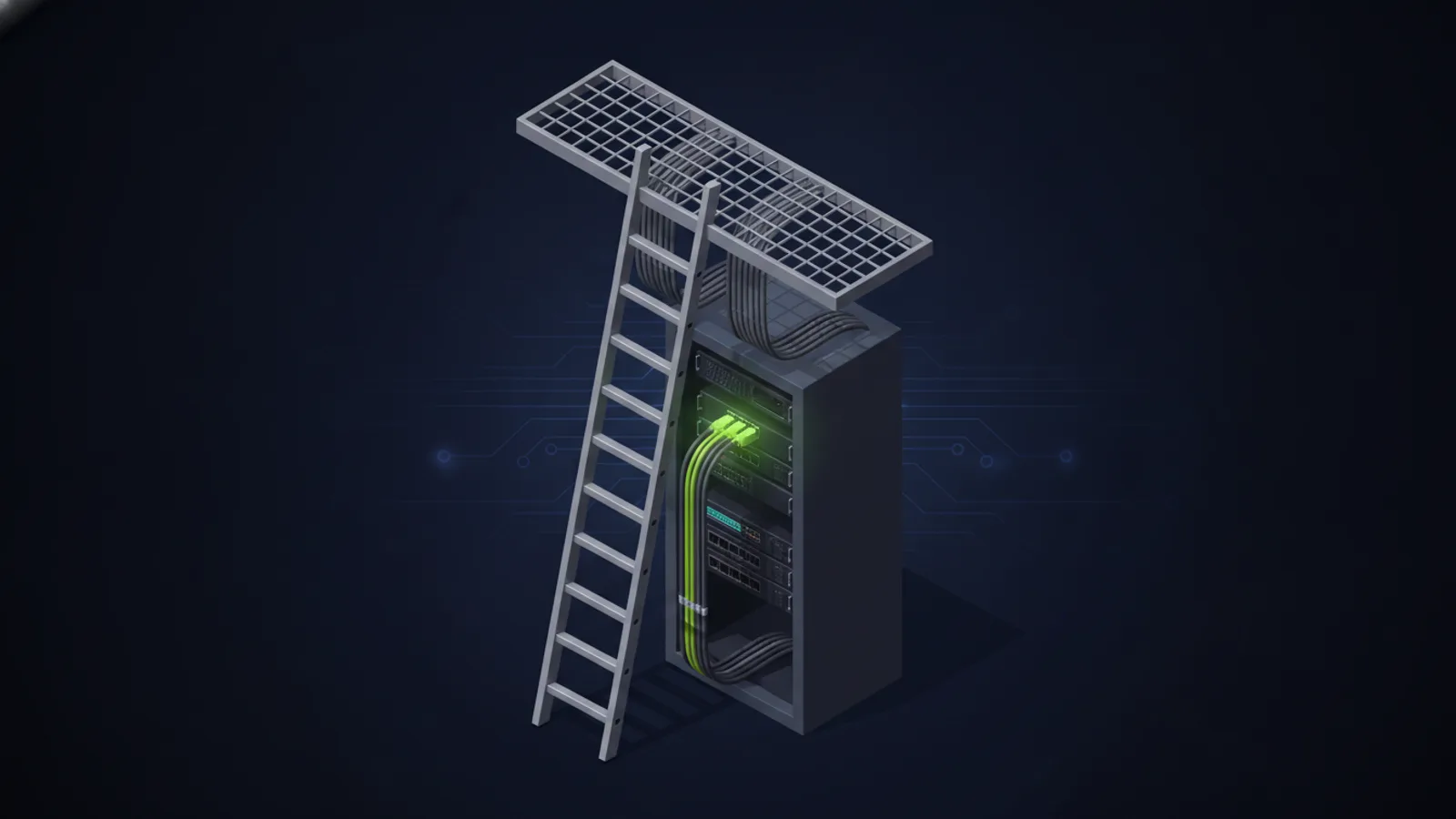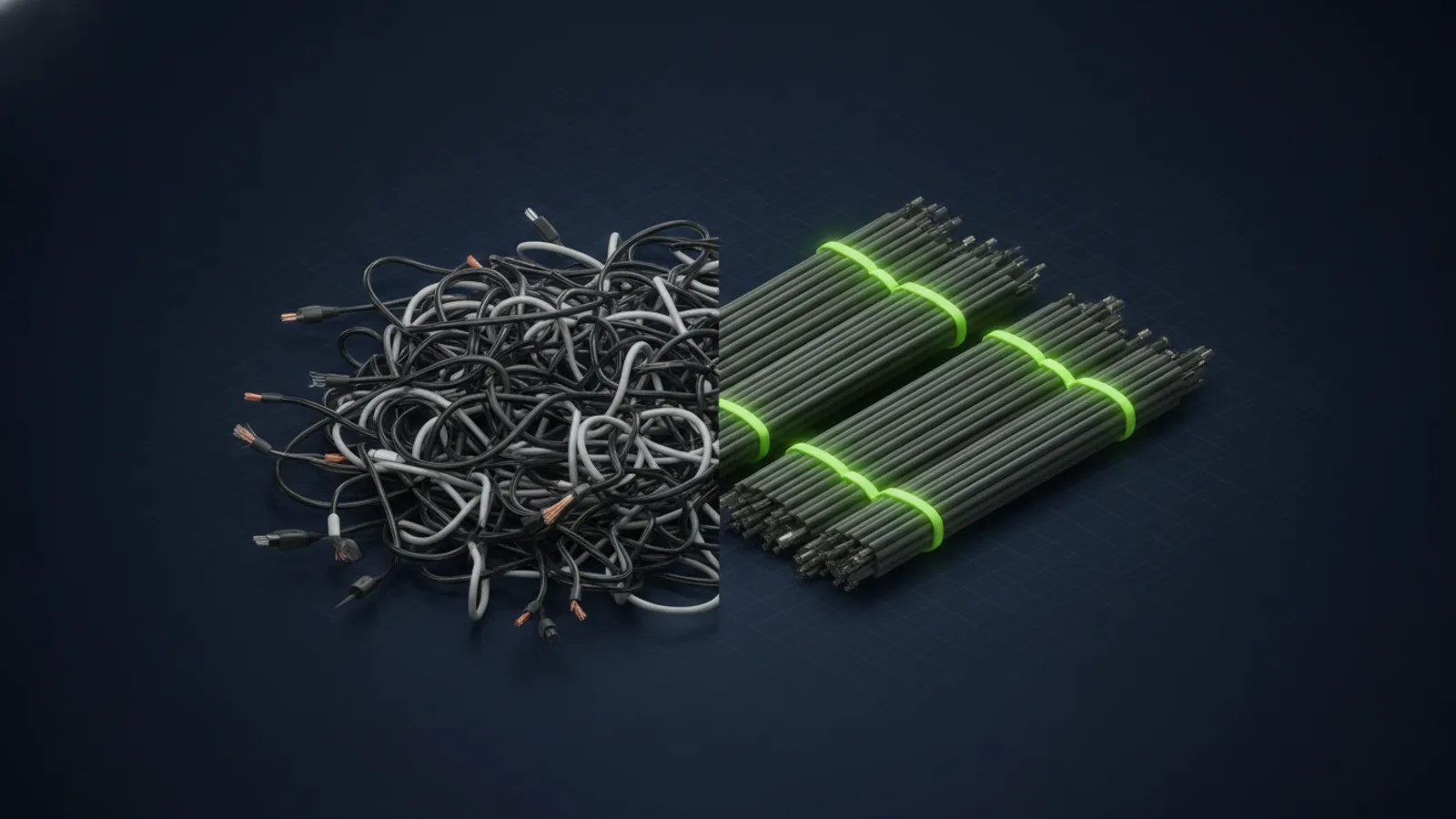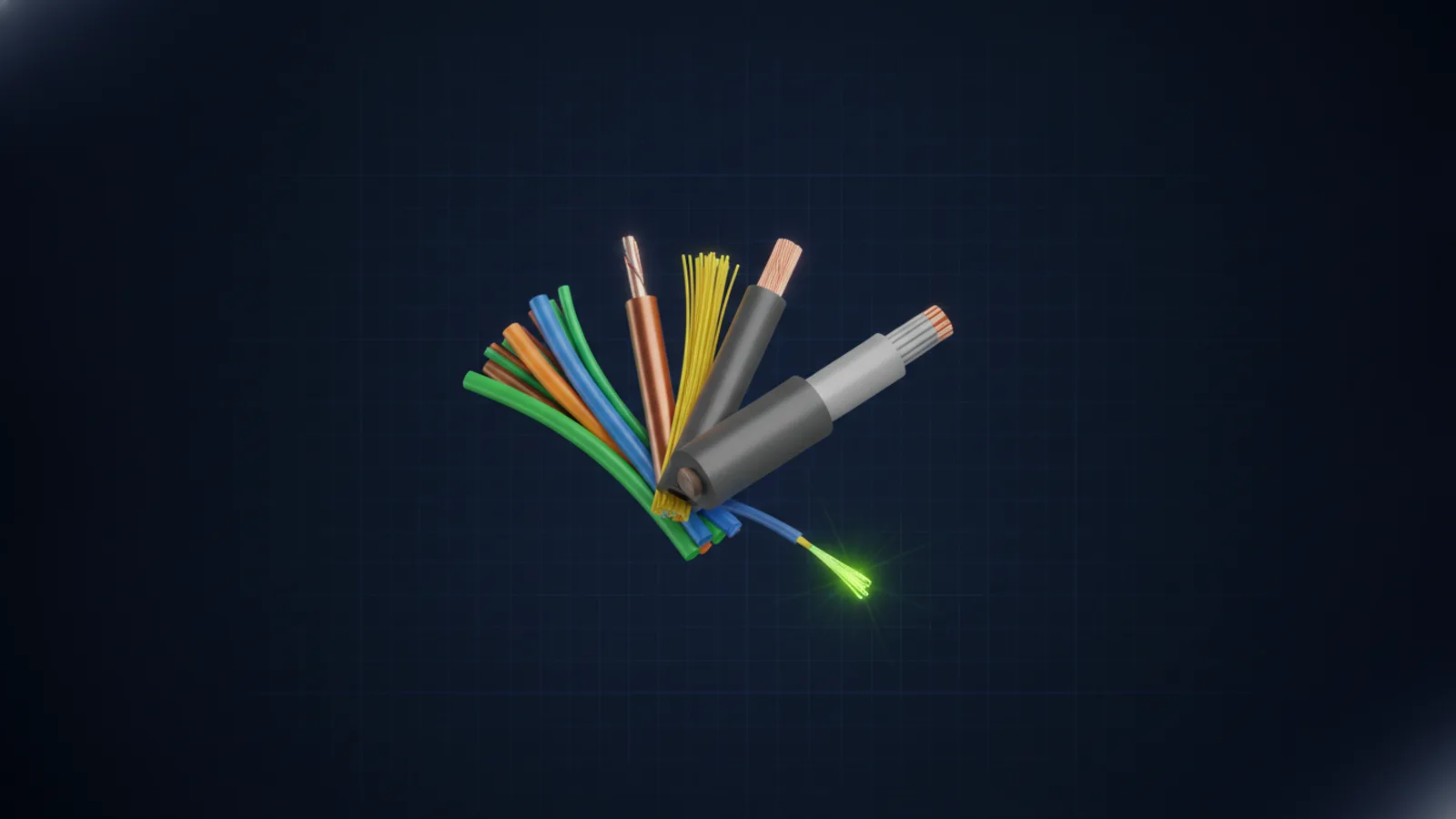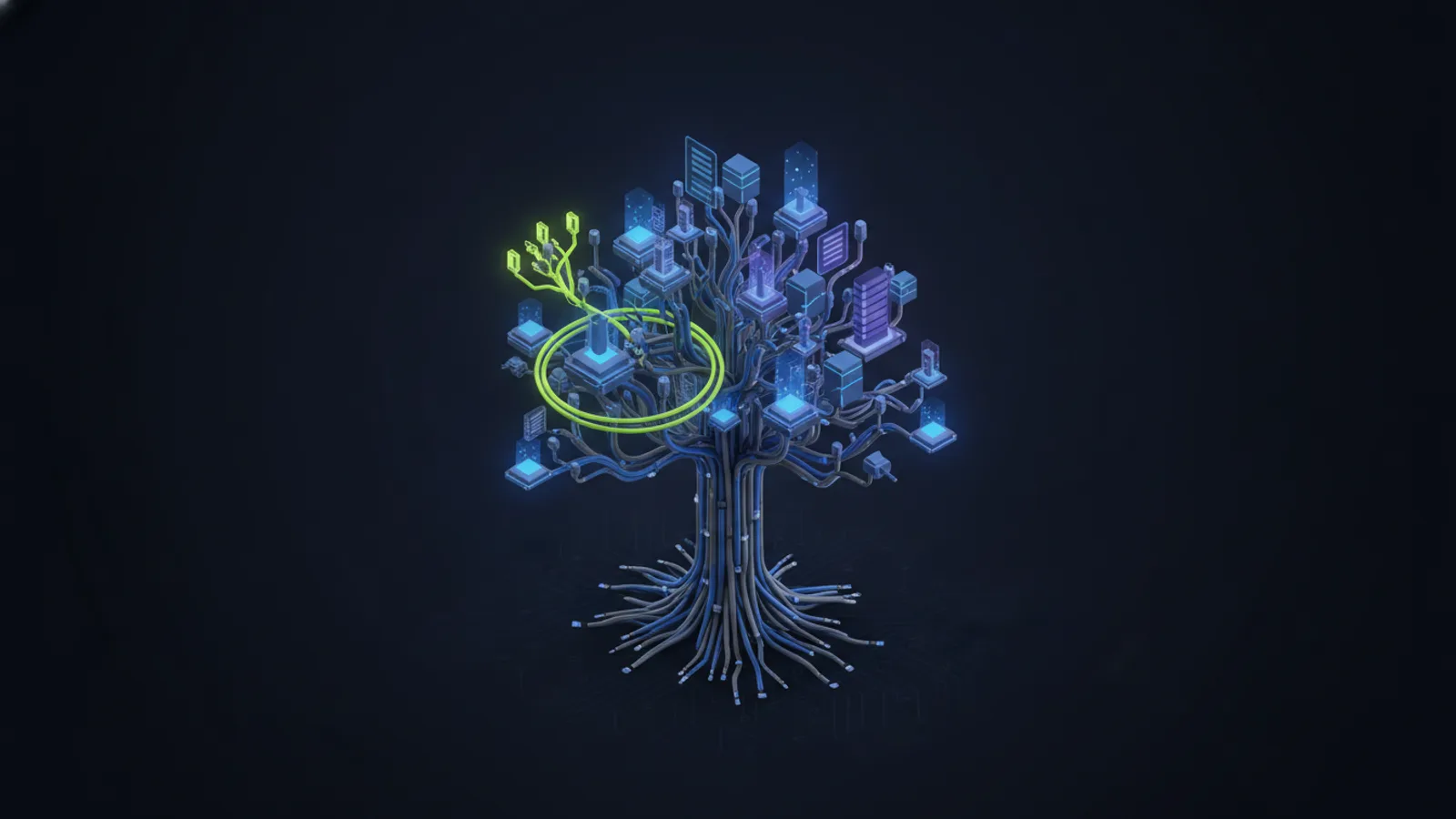
A well-designed cabling infrastructure is the backbone of any modern business network. This post explores how structured cabling supports long-term growth and technological adaptability.
What is Structured Cabling?
Structured cabling is a standardized approach to network infrastructure that supports multiple hardware systems and is designed to adapt to future technology needs, unlike traditional point-to-point wiring.
The Benefits of Structured Cabling
Enhanced Performance and Reliability
A properly designed cabling system delivers consistent signal quality and minimizes network downtime, ensuring dependable connectivity across your organization.
Scalability
Structured cabling systems are designed to accommodate growth, making it straightforward to add new devices, workstations, and services as your business expands.
Cost Efficiency
While the initial investment may be higher, structured cabling reduces long-term operational costs by simplifying management and minimizing the need for costly rework.
Easier Maintenance
Organized and labeled cabling systems make troubleshooting faster and more efficient, reducing the time and cost associated with identifying and resolving network issues.
Future-Proofing
Structured cabling is built to support emerging technologies, helping your business adopt new tools and systems without requiring a complete infrastructure overhaul.
The Role of Professional Structured Cabling Services
Custom Design and Installation
Professional cabling providers assess your specific needs and design a system tailored to your facility layout, workflow, and growth plans. Unió Digital's structured cabling solutions are LanTEK IV-certified and backed by a 25-year manufacturer warranty.
Compliance and Standards
Expert installers ensure your cabling meets industry standards and regulatory requirements, avoiding potential compliance issues down the road.
Ongoing Support and Maintenance
Professional providers offer continued support to keep your cabling infrastructure performing optimally as your technology environment evolves.
Invest in Your Business' Future Today
Investing in structured cabling now prepares your organization for the technological demands of the future, avoiding costly retrofits and ensuring a reliable network foundation for years to come. See our structured cabling installation process for a full breakdown of how a Unió project is delivered, from MDF design to as-built drawings.