The low voltage cabling infrastructure that supports your business network is just as important as the hardware and software running on it. A poorly designed cabling system can lead to network downtime, difficulty troubleshooting issues, and costly rework as your business grows. Understanding the difference between structured and unstructured cabling is essential for making the right investment in your network infrastructure.
What Is Structured Cabling?
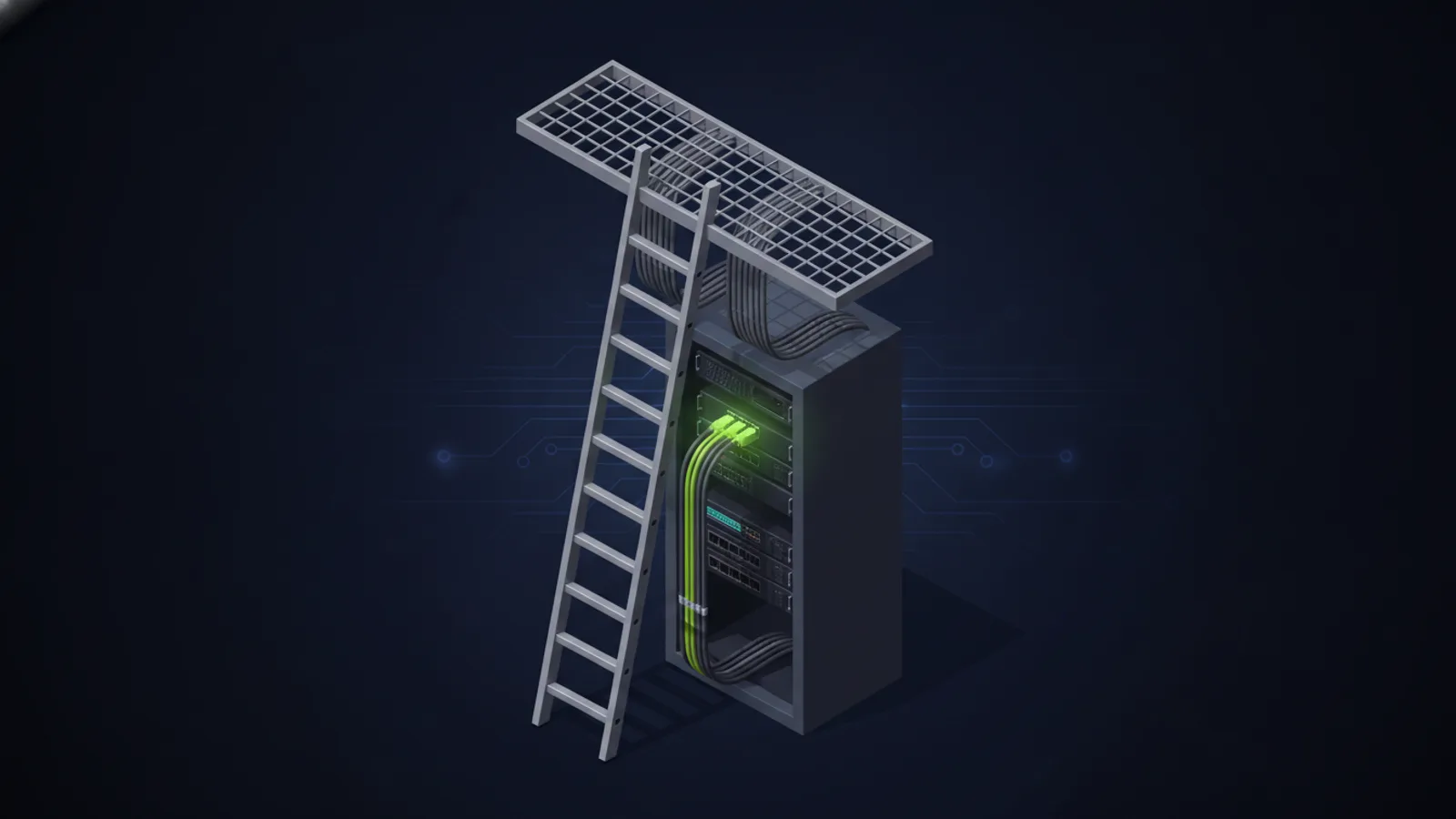
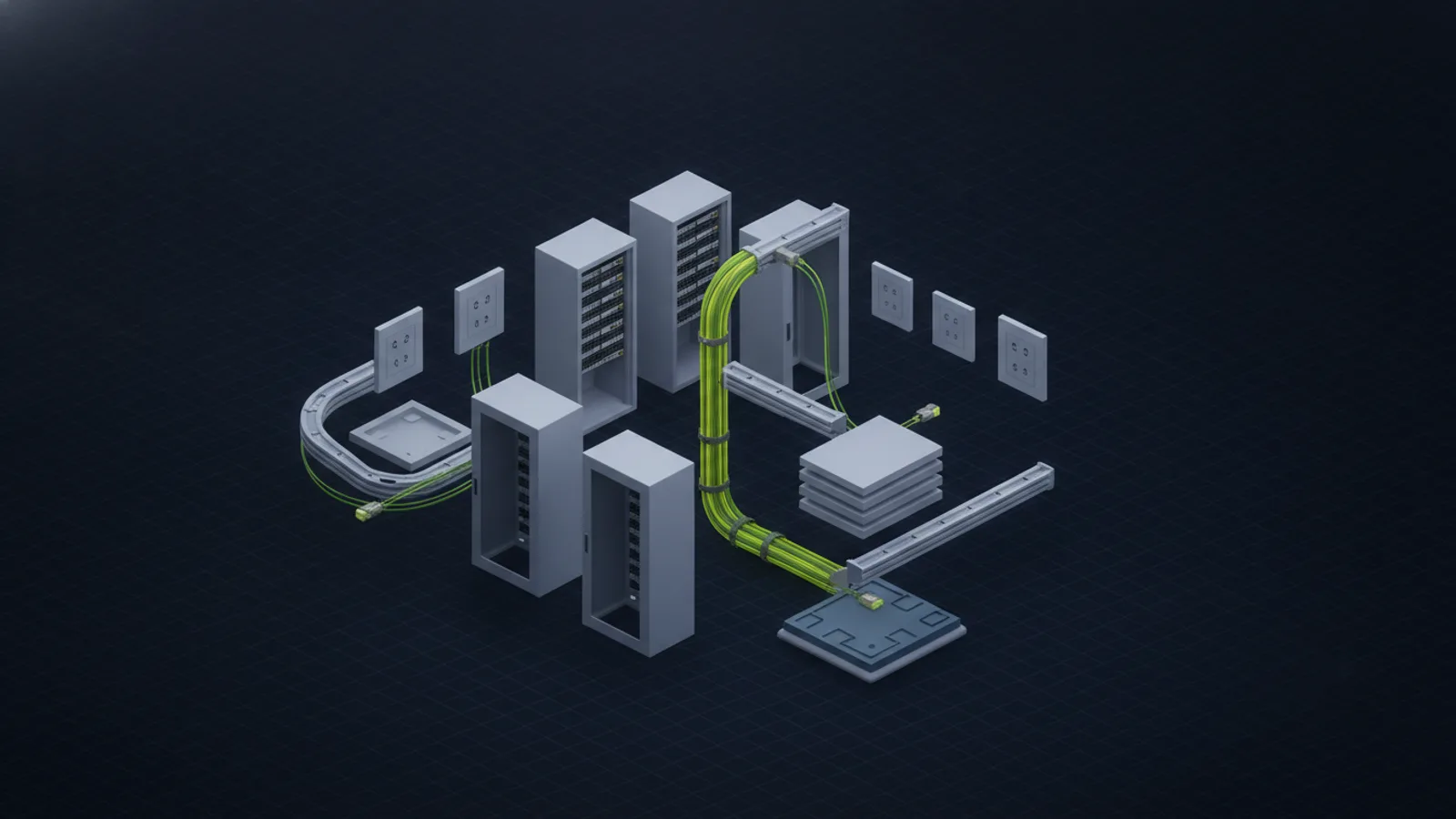
Structured cabling is a standardized approach to designing and installing a building's cabling infrastructure. It follows industry standards and best practices to create an organized, hierarchical system that supports current and future networking needs. Structured cabling systems are built with long-term scalability and manageability in mind.
Key features of structured cabling include:
- Standardized design: Follows industry standards such as TIA/EIA-568 to ensure consistency, compatibility, and performance across the entire cabling infrastructure.
- Organized layout: Cables are routed through clearly labeled pathways, patch panels, and cable management systems, making the entire infrastructure easy to understand and maintain.
- Scalability: Structured cabling is designed to accommodate growth. Adding new devices, workstations, or entire floors can be done without overhauling the existing infrastructure.
- Easier troubleshooting: The organized and documented nature of structured cabling makes it significantly faster to identify and resolve connectivity issues.
- Reduced downtime: A well-designed structured cabling system minimizes the risk of network outages caused by cable faults, improper connections, or overcrowded cable pathways.
What Is Unstructured Cabling?
Unstructured cabling refers to a cabling approach that lacks a formal design or organizational standard. It typically evolves over time as cables are added on an as-needed basis without following a comprehensive plan. While unstructured cabling may be quicker and cheaper to install initially, it often leads to significant challenges as the network grows.
Key features of unstructured cabling include:
- Ad hoc installation: Cables are added as needed without a master plan, often resulting in a tangled and disorganized layout.
- Lower upfront cost: Because there is no formal design process, the initial installation cost is typically lower than structured cabling.
- Difficult to manage: Without labels, documentation, or organized pathways, tracing and managing cables becomes increasingly difficult as the network grows.
- Limited scalability: Adding new connections to an unstructured system often requires workarounds that further complicate the infrastructure.
- Higher long-term costs: The time and effort required to troubleshoot, maintain, and expand an unstructured system can result in significantly higher costs over time compared to a structured approach.
Which Is Right for Your Business?
For small businesses with only a few devices and no plans for significant growth, unstructured cabling may seem like a reasonable short-term solution. However, for most businesses, structured cabling is the better long-term investment. The upfront cost of a structured cabling installation is offset by reduced maintenance expenses, faster troubleshooting, improved network performance, and the ability to scale without costly rework.
If your business is experiencing any of the following, it may be time to consider upgrading to a structured cabling system:
- Frequent network connectivity issues or outages
- Difficulty identifying and tracing cables
- Plans to add new employees, devices, or office space
- Cluttered server rooms or cable pathways
- Upcoming office moves or renovations
Reliable Cabling for Your Business Needs
A well-designed cabling infrastructure is the backbone of a reliable and high-performing network. At Unio Digital, we specialize in structured cabling services that are built to support your business today and scale with you into the future. Our team handles everything from initial design and planning to installation and documentation, ensuring that your cabling infrastructure meets industry standards and your specific business requirements. Contact us today to learn how we can improve your network with a professional structured cabling solution.
Need Professional Cabling Services?
Contact our team to discuss your structured cabling needs.
Get Started