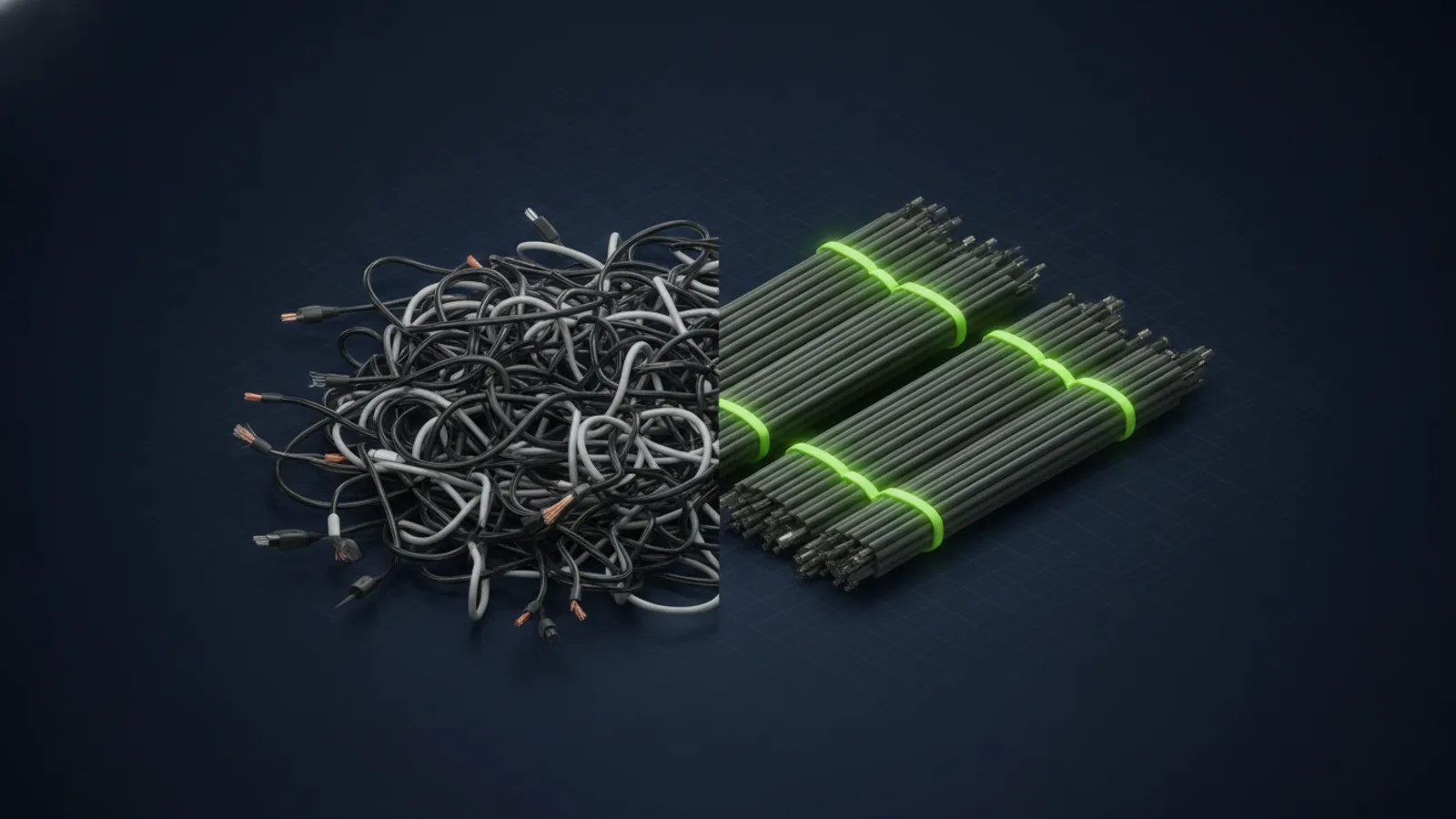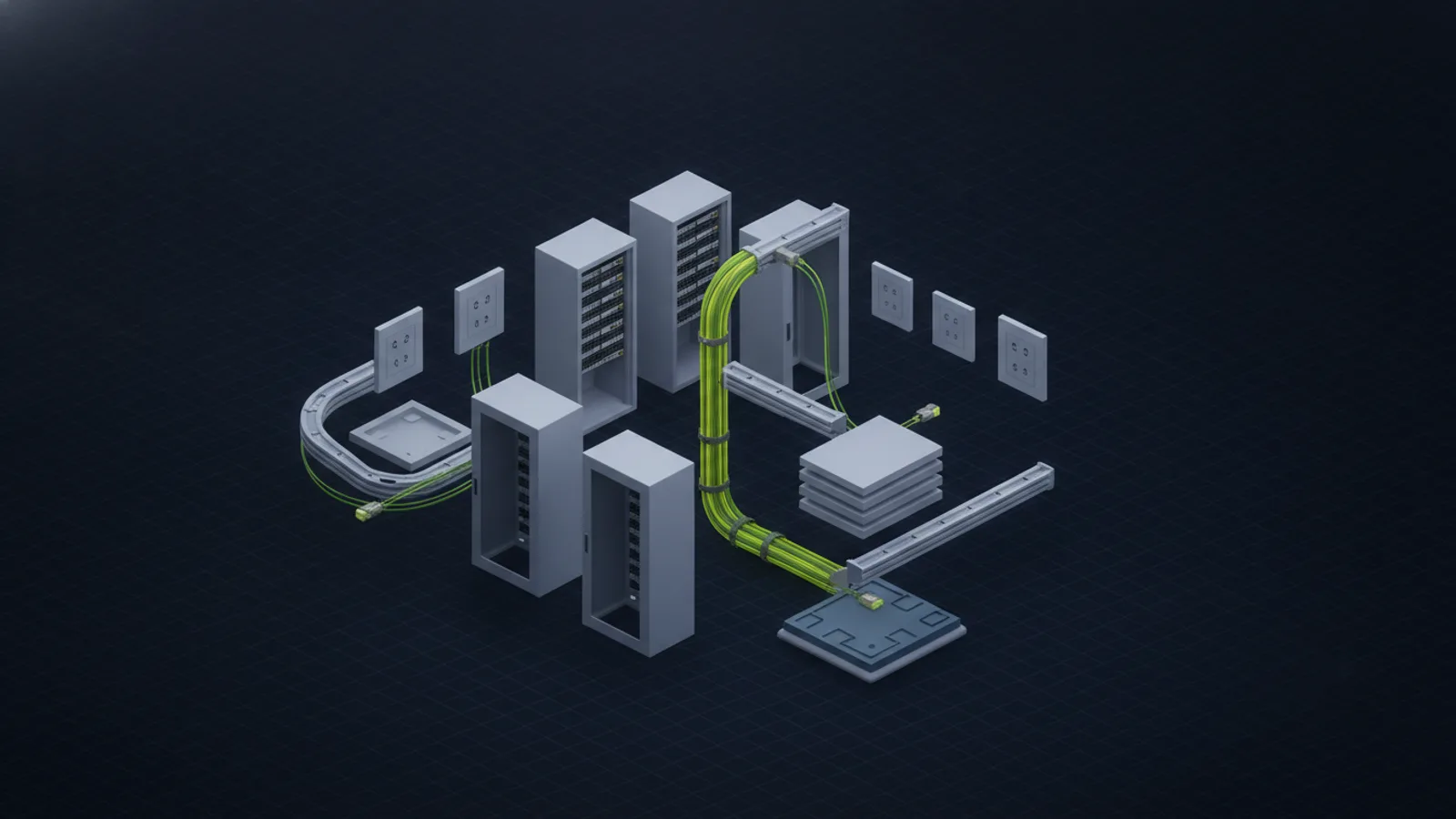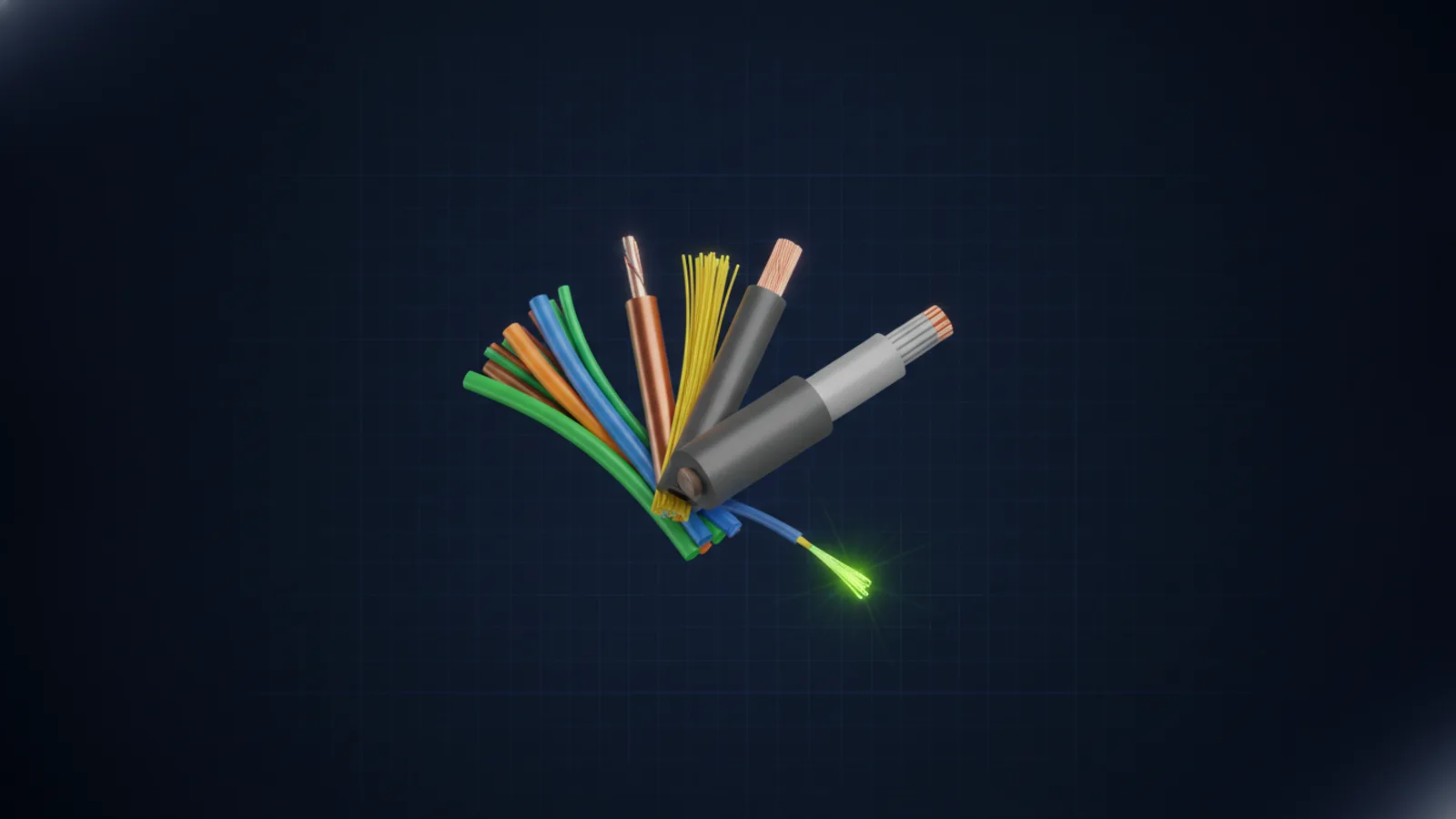
Structured cabling is the foundation of any reliable business network. It provides the physical infrastructure that connects workstations, servers, phones, cameras, and access points throughout a building. Understanding the different types of structured cabling helps Tucson businesses make informed decisions when planning new structured cabling installations or upgrading existing infrastructure.
Copper Cabling
Copper cabling remains the most common type of structured cabling used in commercial environments. It is versatile, cost-effective, and supports a wide range of applications from data networking to voice and video.
Cat5e
Category 5e cable supports speeds up to 1 Gbps over distances up to 100 meters. While it is considered a legacy standard, Cat5e is still found in many existing installations and is adequate for basic networking needs in smaller offices.
Cat6 and Cat6a
Cat6 cable supports speeds up to 10 Gbps over shorter distances (up to 55 meters) and 1 Gbps at the full 100-meter run. Cat6a extends 10 Gbps performance to the full 100 meters and provides better shielding against crosstalk. Cat6a is the recommended choice for new commercial installations that need to support current and future bandwidth demands.
Cat7 and Cat8
Cat7 and Cat8 cables offer even higher performance, with Cat8 supporting speeds up to 25-40 Gbps. These categories are typically used in data centers and high-performance computing environments rather than standard office deployments.
Fiber Optic Cabling
Fiber optic cable uses light to transmit data, offering significantly higher bandwidth and longer distance capabilities than copper. It is immune to electromagnetic interference, making it ideal for environments with heavy electrical equipment.
Single-Mode Fiber
Single-mode fiber uses a narrow core that allows light to travel in a single path. It supports very long distances, often spanning several kilometers, and is commonly used for connections between buildings or campus-wide backbone links.
Multi-Mode Fiber
Multi-mode fiber has a larger core that allows multiple light paths. It is typically used for shorter runs within a building, such as connections between network closets and server rooms. Multi-mode fiber is more cost-effective than single-mode for these shorter distances.
Coaxial Cabling
Coaxial cable is still used in certain commercial applications, particularly for legacy video surveillance systems and cable television distribution. While less common in modern structured cabling designs, coax may be encountered during renovations or upgrades of older facilities.
RG59 and RG6
RG59 is a thinner coaxial cable historically used for analog CCTV systems. RG6 provides better shielding and bandwidth, making it the standard for modern video and broadband applications where coax is still required.
Fiber vs Coaxial Cable
Understanding the key differences between fiber optic and coaxial cable is critical when planning your network infrastructure. Watch our breakdown of how these two cable types compare in terms of speed, distance, reliability, and cost.
Choosing the Right Cabling for Your Business
The right cabling type depends on your current needs and future growth plans. For most Tucson businesses, a combination of Cat6a copper for horizontal runs and fiber optic for backbone connections provides the best balance of performance, reliability, and cost.
Planning for the Future
Investing in higher-grade cabling during initial installation is almost always more cost-effective than upgrading later. Pulling new cable through walls and ceilings is labor-intensive, so choosing a cable type that will meet your needs for the next decade saves time and money in the long run.
Structured Cabling Installation by Unio Digital
Unio Digital designs and installs structured cabling solutions for businesses throughout Tucson. Whether you are building a new office, expanding an existing facility, or upgrading outdated wiring, our certified technicians deliver clean, organized, and standards-compliant installations.
Contact Unio Digital to schedule a site survey and get a cabling plan tailored to your business.