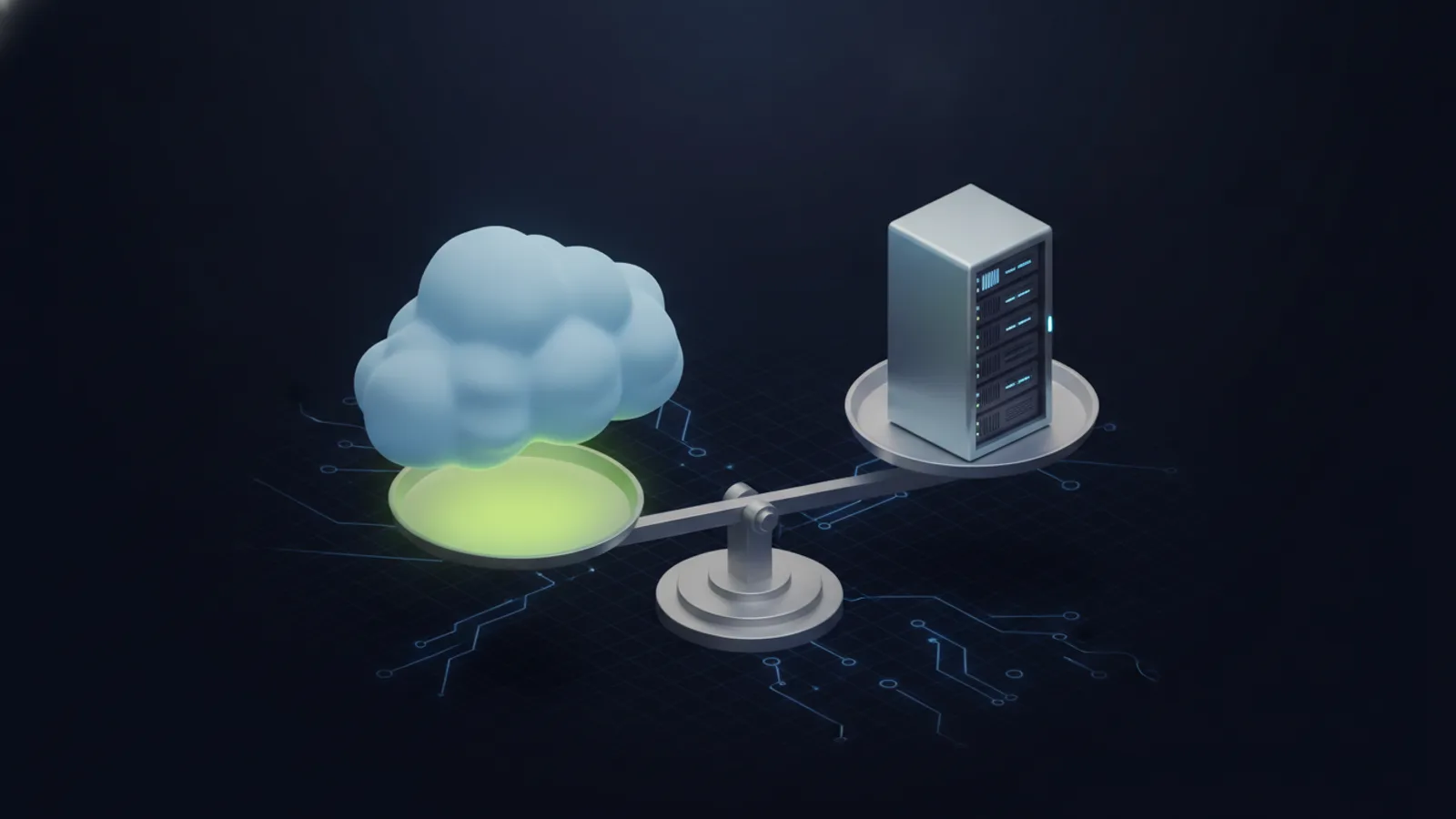
Choosing between cloud and on-premises infrastructure is one of the most impactful technology decisions a business can make. This guide compares both approaches to help you determine the best fit for your organization.
Understanding the Basics
What Are Cloud Solutions?
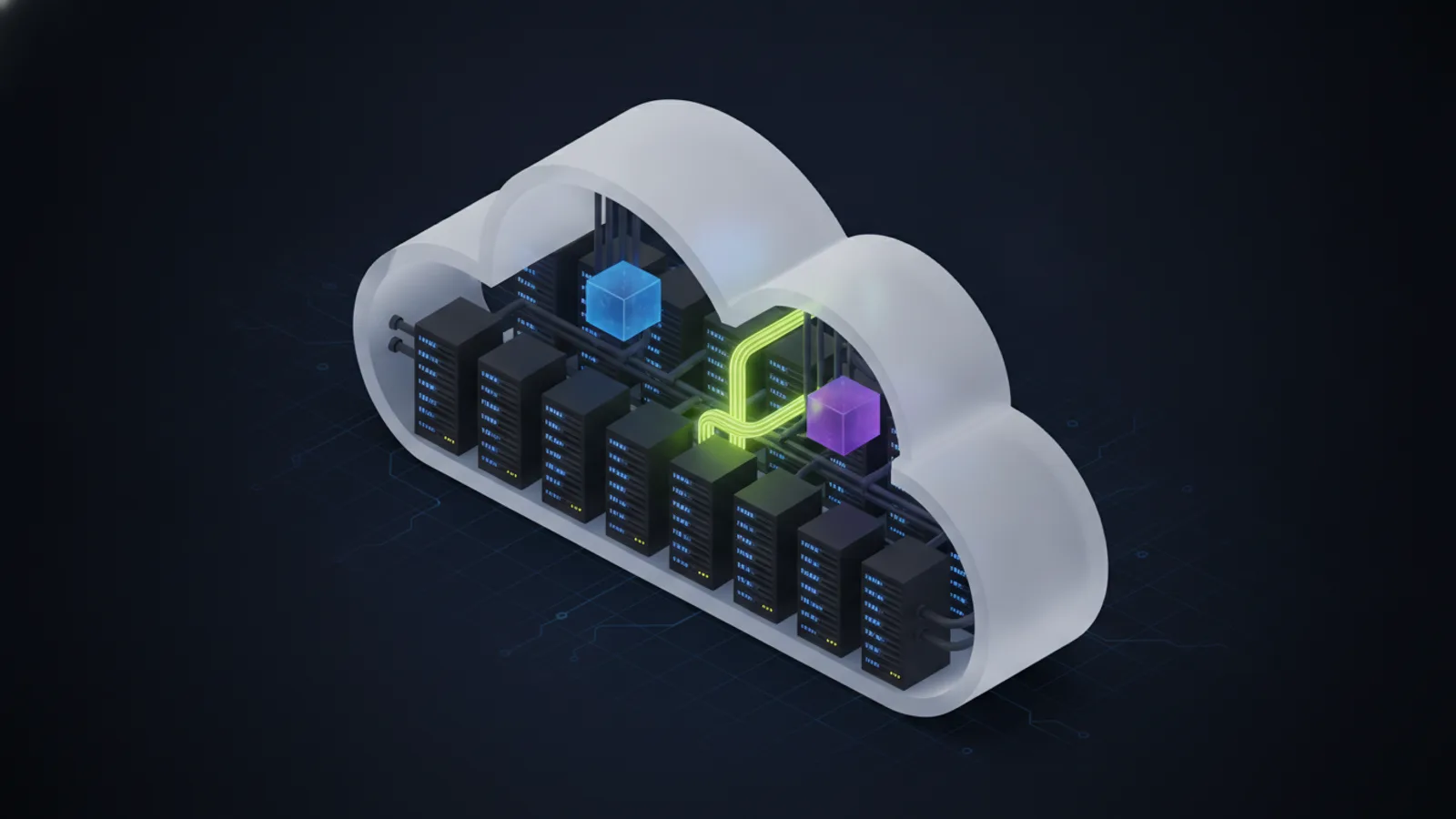
Cloud solutions deliver IT resources such as storage, computing power, and applications over the internet, eliminating the need for on-site hardware management.
What Is an On-Premises Setup?
On-premises infrastructure is owned and operated within your organization's physical location, giving you direct control over all hardware and software.
Benefits of Cloud Computing
Scalability
Cloud environments can be scaled up or down quickly to match business demand without the lead time of purchasing and installing physical equipment.
Cost Efficiency
With a pay-as-you-go model, cloud computing reduces upfront capital expenditure and shifts costs to a predictable operational expense.
Flexibility and Accessibility
Cloud-hosted resources can be accessed from anywhere with an internet connection, supporting remote work and distributed teams.
Automatic Updates
Cloud providers handle software updates and security patches, reducing the maintenance burden on your internal team. With a managed cloud partner, businesses can offload ongoing administration entirely.
Disaster Recovery
Built-in redundancy and backup capabilities in cloud platforms help ensure business continuity in the event of data loss or outages.
Benefits of On-Premises Systems
Control and Customization
On-premises setups offer complete control over hardware configurations, software choices, and system customization.
Data Security
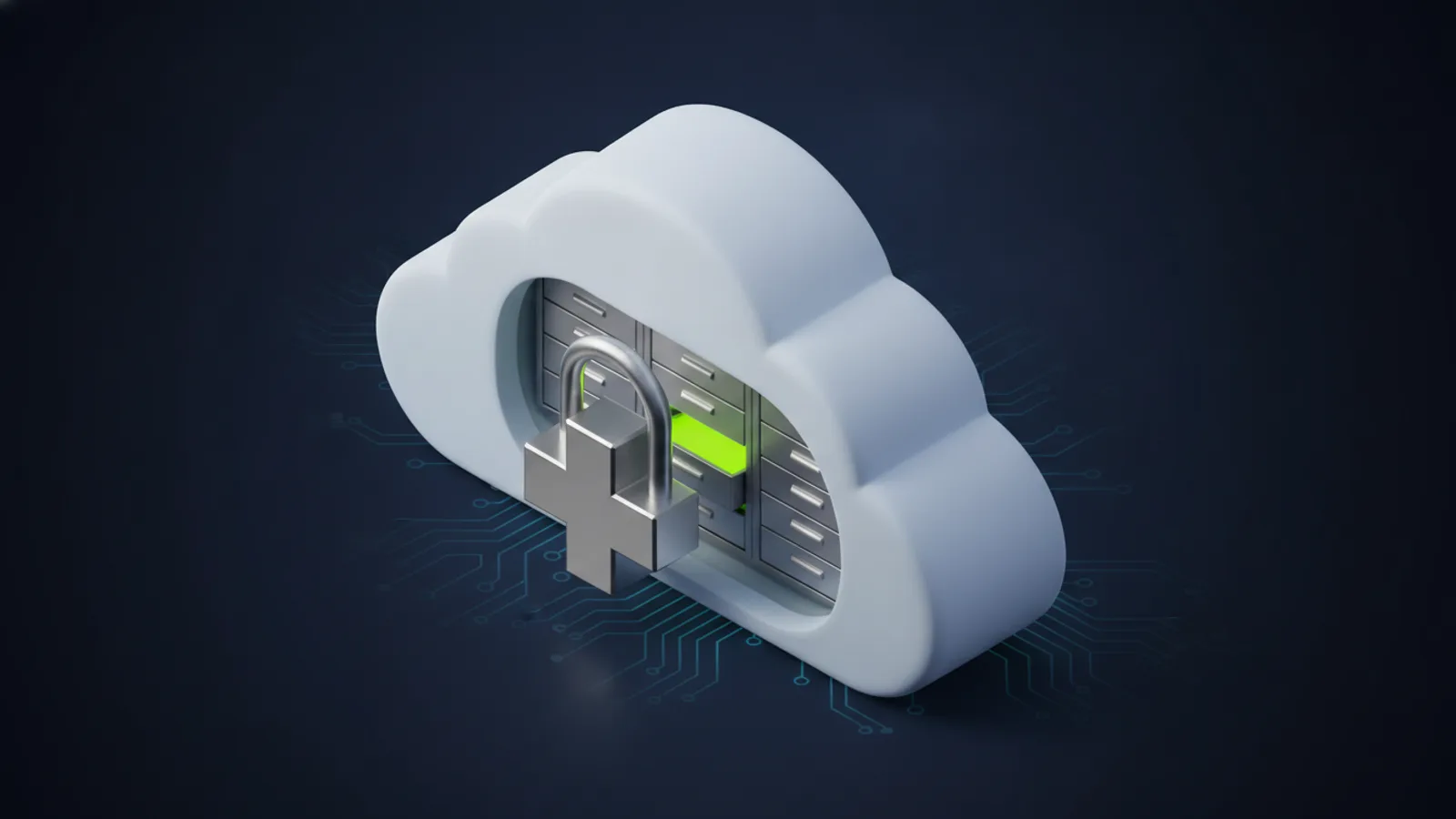
Keeping data on-site can provide enhanced security for organizations with strict regulatory or compliance requirements.
No Dependence on Internet Connectivity
On-premises systems operate independently of internet availability, ensuring continued access during connectivity disruptions.
Predictable Costs
After the initial investment, on-premises infrastructure costs become more predictable without recurring subscription fees.
Cloud vs On-Premises: Key Considerations
Cost
Cloud offers lower upfront costs with ongoing subscriptions, while on-premises requires higher initial investment but may be more economical long-term for stable workloads.
Security and Compliance
Both models can meet compliance requirements, but the right choice depends on your industry regulations and data sensitivity.
Scalability
Cloud infrastructure excels at rapid scaling, whereas on-premises expansion requires planning, procurement, and physical installation.
Maintenance
Cloud providers manage maintenance and updates, while on-premises systems require dedicated internal resources for upkeep.
The Hybrid Approach: Best of Both Worlds?
A hybrid strategy combines cloud flexibility with on-premises control, allowing organizations to allocate workloads strategically based on performance, security, and cost requirements.
Making the Right Choice
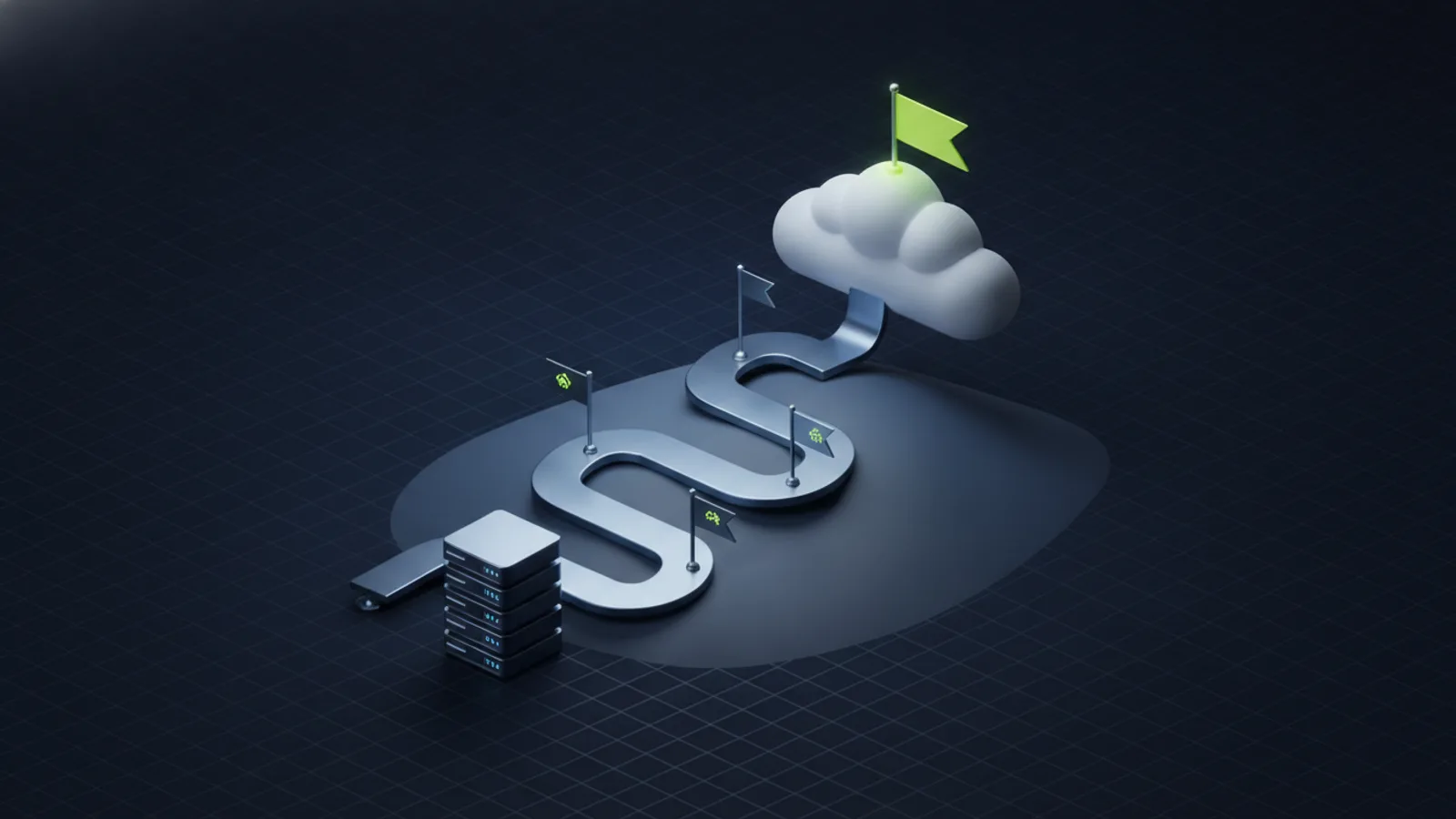
The best infrastructure decision depends on your business objectives, budget, regulatory landscape, and growth projections. Evaluating each factor carefully will guide you toward the right solution. For organizations ready to transition, developing a thorough cloud migration strategy ensures a smooth move with minimal disruption.
Make the Right Decision for Your Business With Expert Consultation
Navigating the cloud vs on-premises decision can be complex. Professional guidance from an experienced IT partner can help you assess your needs and implement the optimal infrastructure strategy.