Cloud computing has fundamentally changed how businesses manage their IT infrastructure. Instead of investing heavily in on-premises hardware and software, organizations can now access computing resources on demand through the cloud. However, not all cloud services are the same. The three primary cloud service models - Infrastructure as a Service (IaaS), Platform as a Service (PaaS), and Software as a Service (SaaS) - each serve different purposes and are suited to different business needs. Understanding the differences between them is key to making the right choice for your organization.
Infrastructure as a Service (IaaS)
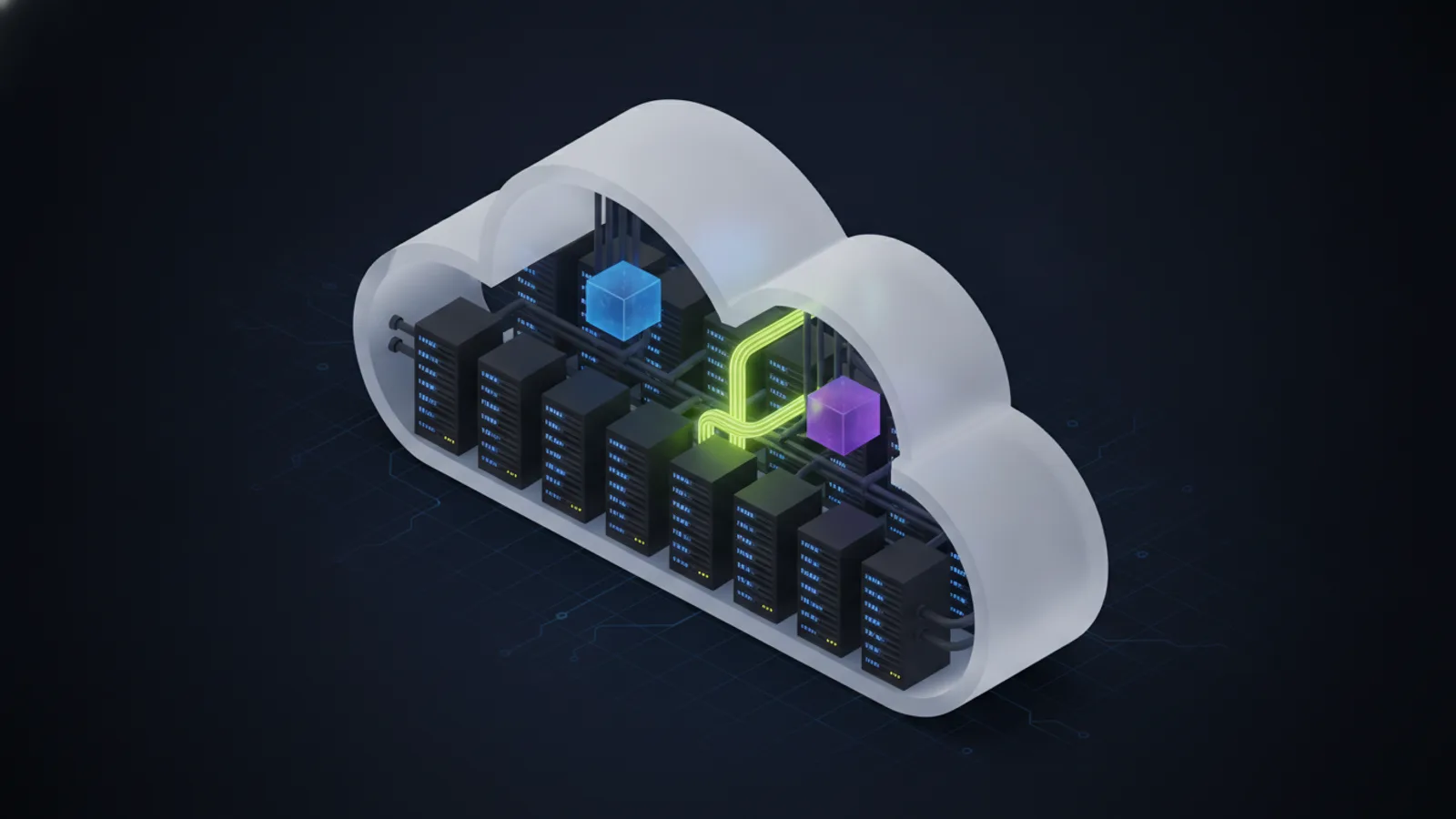
IaaS provides virtualized computing resources over the internet. Instead of purchasing and maintaining physical servers, storage, and networking equipment, businesses rent these resources from a cloud provider on a pay-as-you-go basis. The provider manages the underlying physical infrastructure, while the business retains control over the operating systems, applications, and data running on that infrastructure.
Benefits
- Eliminates the cost and complexity of purchasing and managing physical hardware
- Scales up or down quickly based on demand
- Provides full control over your computing environment
- Supports disaster recovery and business continuity planning
- Pay only for the resources you actually use
Best For
- Businesses with fluctuating or unpredictable workloads
- Organizations that need full control over their IT environment
- Companies looking to avoid large capital expenditures on hardware
- Development and testing environments that need to be provisioned quickly
Platform as a Service (PaaS)
PaaS provides a complete development and deployment environment in the cloud. In addition to the underlying infrastructure, PaaS includes middleware, development tools, database management systems, and other services needed to build, test, and deploy applications. This allows developers to focus on writing code without worrying about managing servers, storage, or networking.
Benefits
- Accelerates application development and time to market
- Reduces the complexity of managing infrastructure and middleware
- Provides built-in tools for collaboration, version control, and testing
- Supports multiple programming languages and frameworks
- Simplifies database management and integration
Best For
- Software development teams building custom applications
- Businesses that want to streamline the development lifecycle
- Organizations developing APIs, microservices, or web applications
- Teams that need collaborative development environments
Software as a Service (SaaS)
SaaS delivers fully functional software applications over the internet on a subscription basis. Users access the software through a web browser without needing to install, maintain, or update anything locally. The cloud provider handles all aspects of the application, including infrastructure, security, updates, and availability.
Benefits
- No installation or maintenance required
- Accessible from any device with an internet connection
- Automatic updates and security patches
- Predictable subscription-based pricing
- Rapid deployment with minimal IT involvement
Best For
- Businesses that need ready-to-use applications such as email, CRM, or accounting software
- Organizations with limited IT staff or resources
- Companies that want to minimize software management overhead
- Teams that need to collaborate on shared platforms from multiple locations
Decision Framework
Choosing the right cloud service model depends on your specific business requirements. Consider the following factors when making your decision:
- Level of control: If you need full control over your infrastructure and applications, IaaS is the best fit. If you want to focus on development without managing infrastructure, PaaS is ideal. If you simply need a working application, SaaS is the way to go.
- Technical expertise: IaaS requires the most in-house technical knowledge, while SaaS requires the least. PaaS falls in between, requiring development skills but not infrastructure management expertise.
- Budget: SaaS typically has the most predictable costs with subscription pricing. IaaS offers pay-as-you-go flexibility. PaaS costs depend on the scope of your development projects.
- Scalability: All three models offer scalability, but the approach differs. IaaS lets you scale infrastructure directly, PaaS scales your development environment, and SaaS scales by adding users or features to your subscription.
- Speed of deployment: SaaS can be deployed almost instantly. PaaS environments can be set up quickly for development. IaaS takes more time to configure but offers the greatest flexibility.
Finding the Right Cloud Solution
Many businesses use a combination of IaaS, PaaS, and SaaS to meet their diverse IT needs. The key is to align each service model with the right use case. At Unio Digital, we help businesses evaluate their cloud requirements and implement the right mix of cloud services to optimize performance, reduce costs, and support growth. Contact us today to discuss your cloud strategy.
Need Help Choosing the Right Cloud Solution?
Contact our team to discuss your cloud strategy and requirements.
Get Started