Low voltage cabling is the foundation that connects the technology systems modern businesses depend on daily. From data networks and phone systems to security cameras and access control, low voltage wiring ties it all together. Unio Digital provides professional low voltage cabling design and installation for businesses throughout Tucson, AZ.
For a broader commercial project view, see our network cabling services guide, which explains how low voltage cabling fits with Cat6A data drops, fiber backbone cabling, MDF/IDF rooms, and closeout documentation.
What Is Low Voltage Cabling?
Low voltage cabling refers to wiring that carries signals at or below 50 volts. Unlike high voltage electrical wiring that powers lights and outlets, low voltage cables transmit data, voice, and video signals. Common examples include Ethernet cables for computer networks, coaxial cables for video surveillance, and twisted pair cables for telephone systems.
Because these cables operate at lower voltages, they present fewer safety hazards during installation. However, proper design and installation practices are still essential to ensure reliable performance and compliance with building codes.
Applications of Low Voltage Cabling
Data and Voice Networks
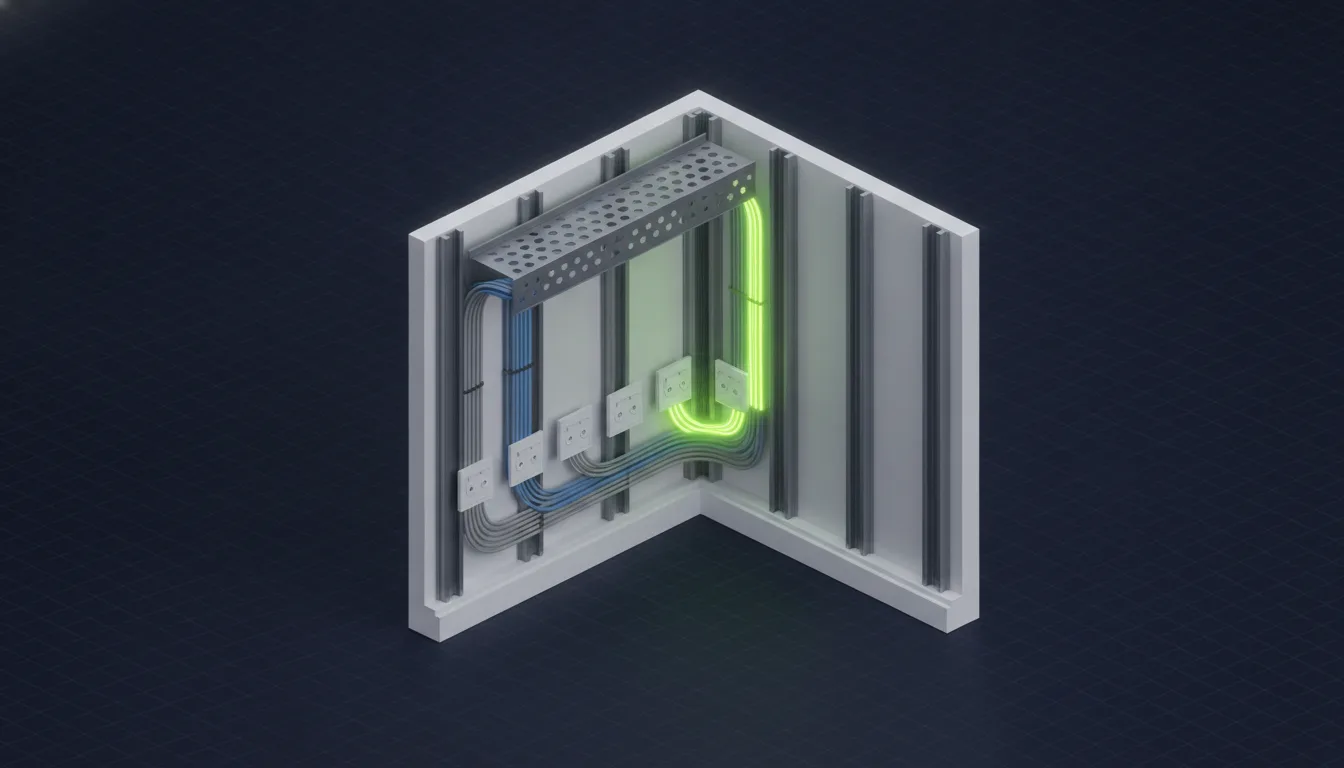
Structured cabling for Ethernet and VoIP phone systems is the most common low voltage application in commercial buildings. A well-designed data cabling solution uses patch panels, cable management, and labeled runs to keep the infrastructure organized and easy to maintain as your business grows.
Security and Surveillance
IP security cameras, access control panels, door readers, and intrusion alarm sensors all rely on low voltage wiring. Coordinating these systems during the cabling phase ensures clean installation and avoids the need for costly retrofitting later.
Audio, Video, and Building Automation
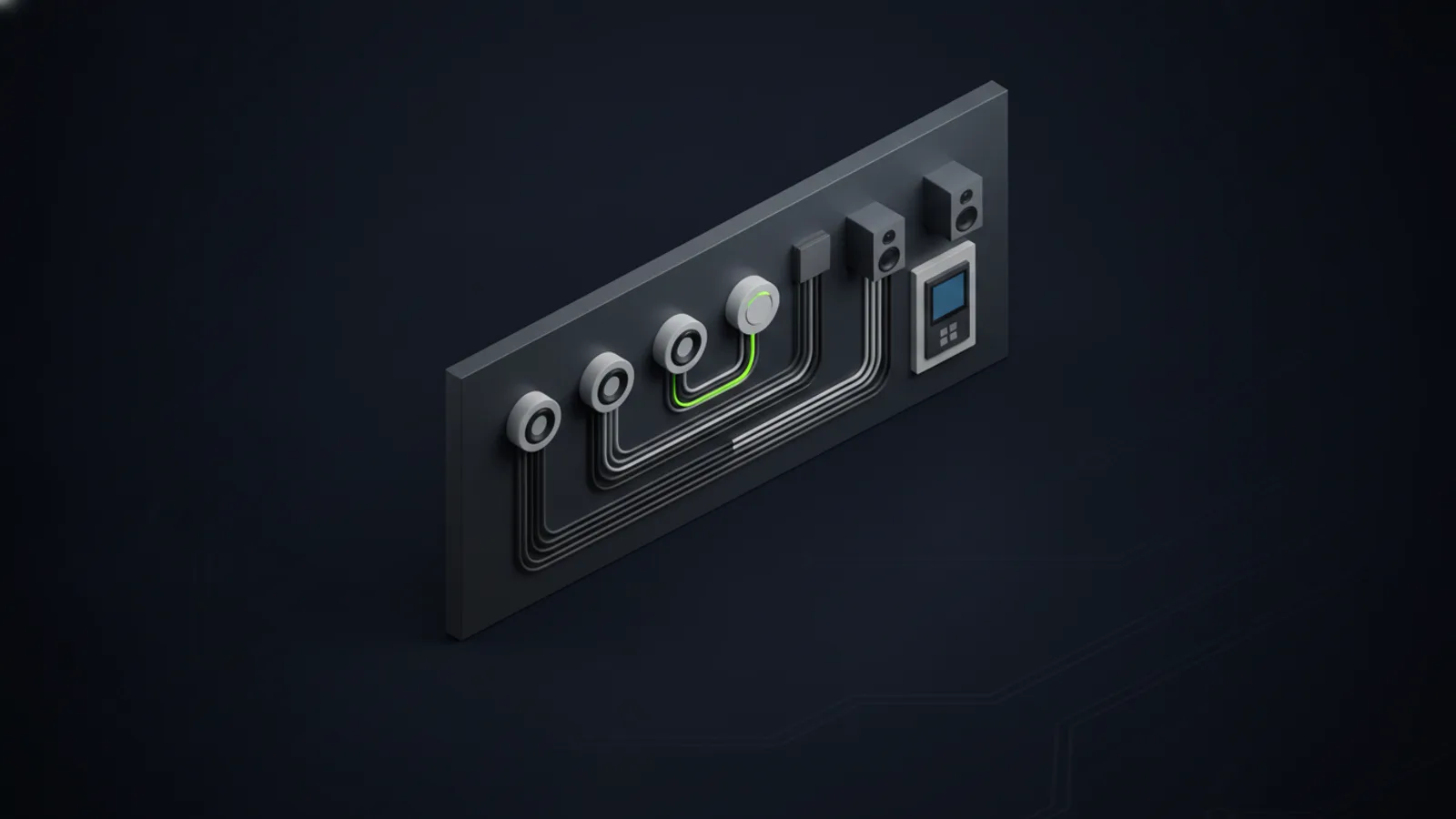
Conference room displays, distributed audio systems, digital signage, and building automation controls each require dedicated low voltage runs. Planning for these systems alongside your data network prevents pathway congestion and simplifies future upgrades.
Benefits of Professional Installation
Code Compliance and Standards
Professional installers follow TIA/EIA structured cabling standards and local building codes. This ensures your cabling passes inspection, performs to specification, and qualifies for manufacturer warranties on components and connectivity.
Reduced Downtime and Troubleshooting
Neatly routed, properly terminated, and thoroughly tested cable runs are far easier to troubleshoot than tangled, unlabeled installations. When issues arise, clearly documented cabling cuts resolution time dramatically and keeps your business running.
Planning Your Low Voltage Project
The best time to plan low voltage cabling is during construction or renovation, when walls are open and pathways are accessible. However, retrofit installations are also common and can be completed with minimal disruption when handled by experienced technicians.
Unio Digital works with general contractors, architects, and business owners to integrate low voltage cabling into projects of every size. Contact us to discuss your upcoming build-out or technology upgrade and get a cabling plan that supports your operations today and into the future.