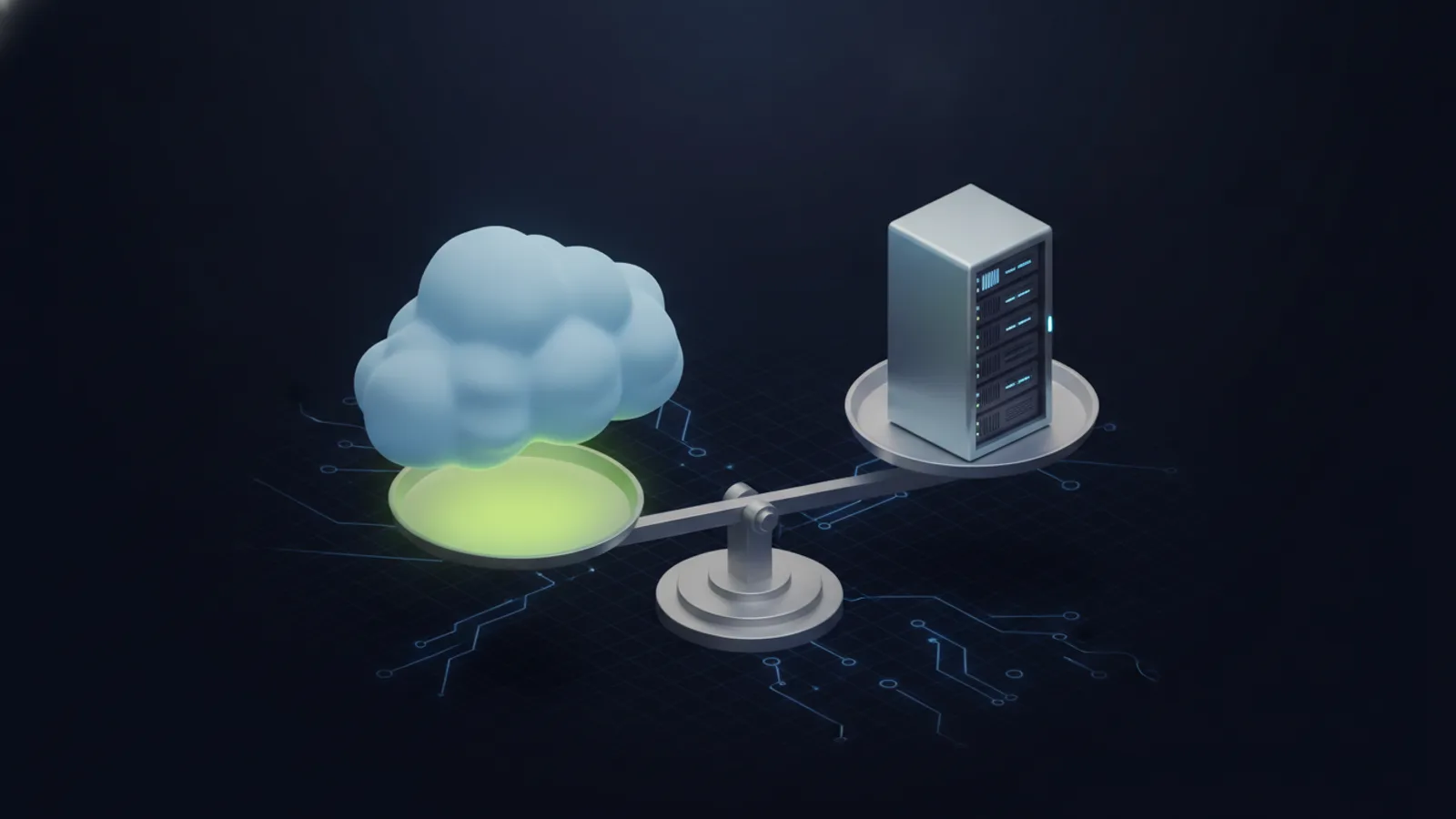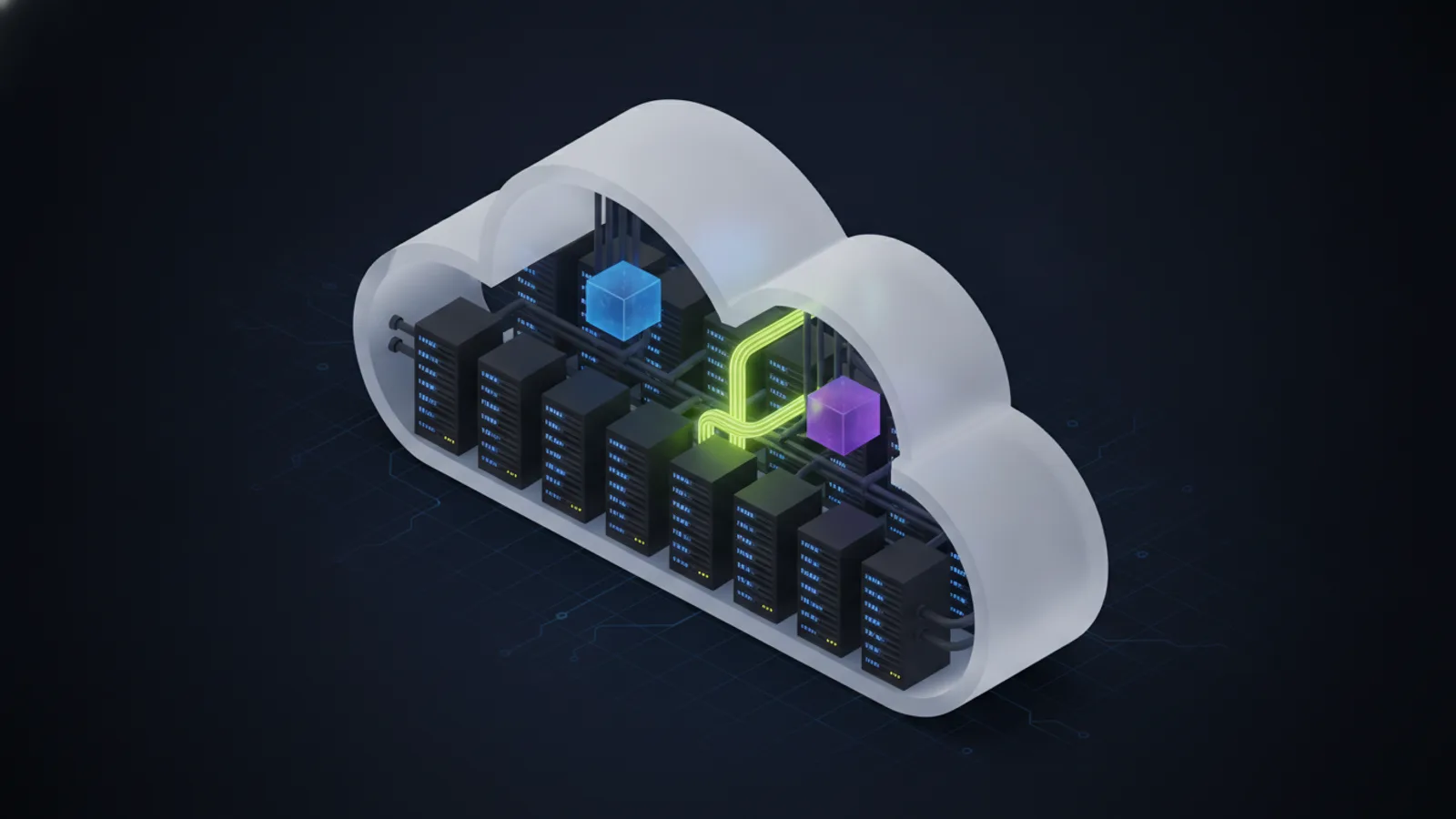
Cloud computing has transformed how businesses access and manage technology resources. This complete guide explains how cloud computing works, the different service and deployment models, and what to consider when making the transition.
How Does Cloud Computing Work?
Cloud computing delivers computing services such as servers, storage, databases, and software over the internet, enabling on-demand access to technology resources without the need to own and maintain physical infrastructure.
Types of Cloud Services
Cloud services are delivered through three primary models: Infrastructure as a Service (IaaS) provides virtualized computing resources, Platform as a Service (PaaS) offers development and deployment environments, and Software as a Service (SaaS) delivers complete applications accessible through a browser. Not sure which model fits your situation? Our comparison of PaaS, SaaS, and IaaS maps each one to common business scenarios.
Types of Cloud Models
Organizations can choose from public clouds shared across multiple tenants, private clouds dedicated to a single organization, or hybrid clouds that combine elements of both to balance flexibility, control, and cost.
The Benefits of Cloud Computing
Cloud computing delivers significant advantages including reduced infrastructure costs, the ability to scale resources on demand, and the flexibility to access systems and data from anywhere with an internet connection. Everyday workloads benefit too: cloud print management is a common first move that eliminates on-premises print servers entirely.
What to Consider Before Migrating to the Cloud
Security
Evaluate the security measures offered by cloud providers and ensure they align with your organization's data protection requirements and risk tolerance.
Compliance
Verify that your chosen cloud solution meets the regulatory and compliance standards applicable to your industry, such as HIPAA, PCI-DSS, or GDPR.
Cost Management
Understand the pricing model of your cloud provider and establish governance practices to monitor and control spending as your cloud usage grows.
Vendor Selection
Assess potential cloud vendors based on reliability, support quality, service level agreements, and compatibility with your existing technology stack.
Steps for Migrating to the Cloud
Assessment
Inventory your current applications and infrastructure to determine which workloads are candidates for cloud migration and what dependencies exist.
Planning
Develop a detailed migration plan that addresses timelines, resource allocation, risk mitigation, and communication with stakeholders.
Migration
Execute the migration in phases, starting with lower-risk workloads and progressively moving more critical systems while validating performance at each stage.
Optimization
After migration, continuously monitor and optimize your cloud environment for performance, cost efficiency, and security.
Future Trends in Cloud Computing
AI and Machine Learning
Cloud platforms are increasingly integrating AI and machine learning capabilities, making advanced analytics and automation accessible to organizations of all sizes.
Edge Computing
Edge computing extends cloud capabilities closer to where data is generated, reducing latency and enabling real-time processing for IoT and other time-sensitive applications.
Sustainability
Cloud providers are investing in energy-efficient data centers and renewable energy to reduce the environmental impact of cloud computing operations.
Industry-Specific Clouds
Tailored cloud solutions designed for specific industries are emerging, offering pre-built compliance frameworks and specialized tools for sectors like healthcare, finance, and manufacturing.
Simplify Your Cloud Journey with Expert Guidance
Navigating the complexities of cloud computing is easier with experienced guidance. A trusted IT partner can help you evaluate options, plan your migration, and optimize your cloud environment for long-term success.
Ready to Move to the Cloud?
Contact our team to discuss your cloud computing needs and strategy.
Get Started