Cybersecurity is essential for businesses of every size. This guide walks through foundational security measures and advanced solutions to help organizations build a comprehensive defense against modern threats.
Why is Cybersecurity Important?
Cyberattacks such as phishing, ransomware, and data breaches pose serious financial and reputational risks to businesses. The average data breach costs $4.88 million (IBM 2024), and 60% of small businesses close within six months of a significant attack. A strong cybersecurity posture protects your organization's data, operations, and customer trust.
Basic Cybersecurity Best Practices
Passwords
Strong, unique passwords are the first line of defense. Implementing password policies and using a password manager helps ensure credentials are not easily compromised.
Software Updates
Keeping software and operating systems up to date closes known vulnerabilities that attackers frequently exploit to gain unauthorized access.
Endpoint Detection and Response (EDR)
EDR tools continuously monitor endpoints for suspicious activity, providing visibility into potential threats and enabling rapid response to incidents. Effective endpoint protection is a critical layer in any business security strategy.
Advanced Cybersecurity Best Practices
Firewalls
Firewalls act as a barrier between your internal network and external threats, filtering traffic based on defined security rules to block unauthorized access.
Encryption
Encrypting data at rest and in transit ensures that even if information is intercepted, it remains unreadable without the proper decryption keys.
Multi-Factor Authentication (MFA)
MFA adds an additional verification step beyond passwords, significantly reducing the risk of unauthorized access even when credentials are compromised.
Cybersecurity Policies
Formal cybersecurity policies establish organizational frameworks for risk assessment, access controls, acceptable use, and incident response procedures. These policies should also address email security protocols, as email remains one of the most common attack vectors. Clear expectations for all employees provide a foundation for consistent security practices.
Employee Cyber Awareness Training
Human error is responsible for 95% of cybersecurity breaches (World Economic Forum). Regular security awareness training sessions and simulated phishing exercises help employees recognize threats and respond appropriately, strengthening your organization's overall security posture.
Cyber Incident Response Planning
Having a documented incident response plan ensures your organization can detect, contain, and recover from security incidents efficiently. The plan should define roles, communication protocols, and step-by-step procedures for handling different types of cyber events.
Conclusion
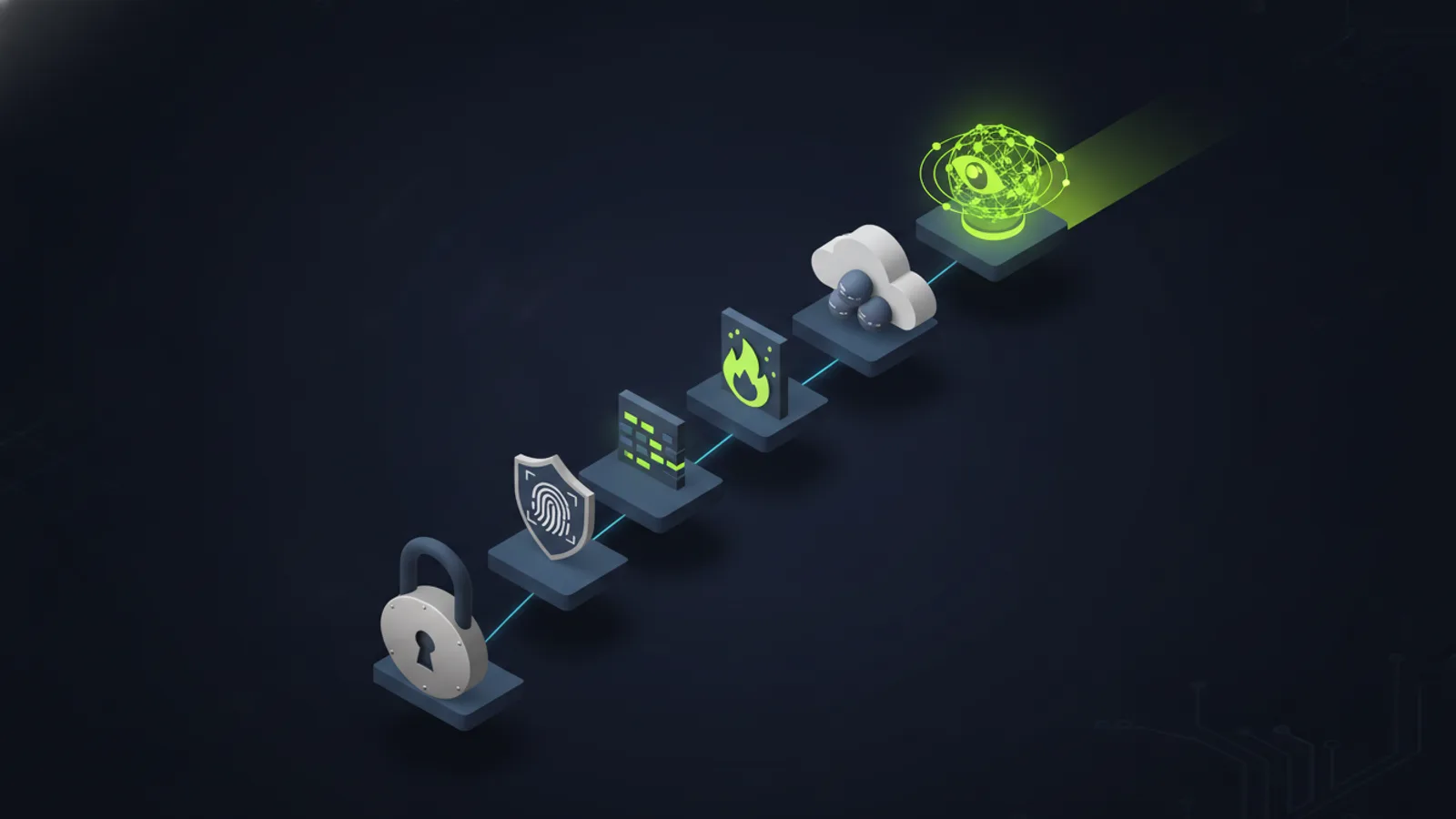
Building a strong cybersecurity posture requires a layered approach that combines basic practices with advanced solutions. By implementing strong passwords, keeping systems updated, deploying EDR tools, and establishing clear policies and training programs, businesses can significantly reduce their risk exposure. At Unio Digital, we help organizations develop and implement comprehensive cybersecurity services tailored to their unique needs.
Ready to Strengthen Your Cybersecurity?
Start with our free IT Security Assessment to see where your organization stands and get actionable recommendations.
Take Free Assessment