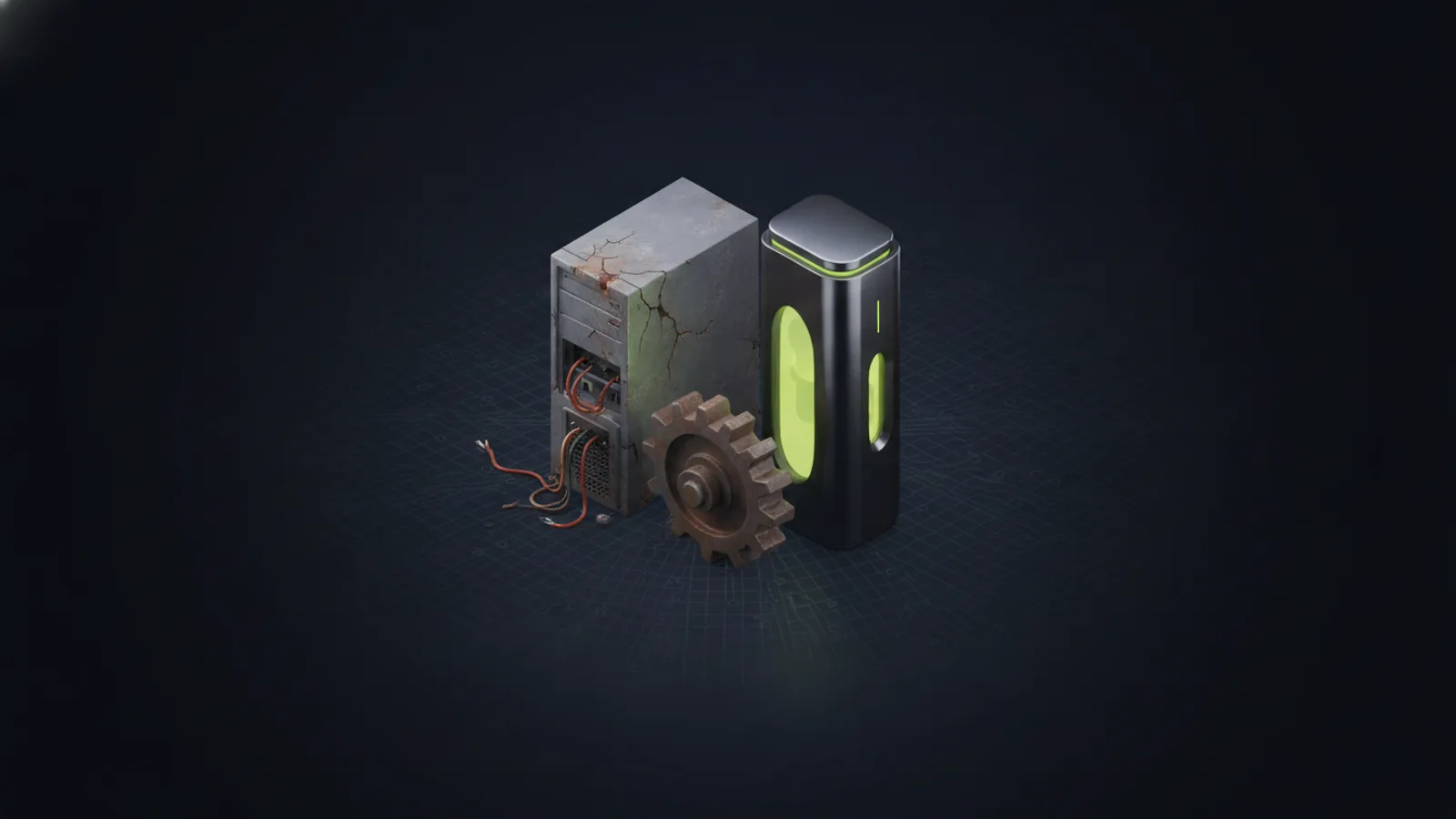
Many businesses try to extend the lifecycle of their PCs as long as possible to save money. While this approach may seem cost-effective on the surface, the reality is that aging computers carry significant hidden costs that can far outweigh the price of a replacement. From increased repair expenses and lost productivity to heightened security risks, holding onto old hardware is often more expensive than upgrading.
The High Price of Repairing Old PCs
As computers age, they require more frequent repairs and maintenance. Components wear out, software compatibility issues arise, and the time spent troubleshooting problems adds up quickly. According to a Techaisle study, businesses spend an average of $427 annually on maintenance and repair costs for PCs that are four or more years old. That figure is significantly higher than the maintenance costs associated with newer machines.
A 2018 Microsoft study found that PCs older than four years had a repair rate that was significantly higher than newer models, with repair costs increasing as the devices continued to age. These costs include not only the parts and labor for physical repairs but also the IT staff time spent diagnosing and resolving issues that newer hardware would simply not have.
Old PCs Hinder Employee Productivity
Slow boot times, lagging applications, and frequent crashes are common complaints from employees using older computers. These issues may seem minor individually, but they compound over time and have a measurable impact on productivity. Studies have shown that employees using outdated PCs can lose up to 42 hours per year due to slow or unresponsive technology.
Common productivity issues caused by aging hardware include:
- Extended boot and shutdown times that waste minutes every day
- Slow application load times and frequent freezing
- Inability to run the latest software versions or updates
- Increased downtime due to hardware failures and crashes
- Frustration and decreased employee morale
When employees are waiting for their computers instead of working, the cost to the business adds up in the form of lost billable hours, missed deadlines, and reduced output.
Security Risks of Old PCs
Older computers pose a significant security risk to businesses. As hardware ages, manufacturers stop providing driver updates and firmware patches. Operating systems on older machines may no longer receive security updates, leaving known vulnerabilities unpatched. This makes aging PCs attractive targets for cybercriminals.
Outdated hardware may also lack support for modern security features such as Trusted Platform Module (TPM) chips, secure boot, and hardware-based encryption. Without these protections, businesses are more vulnerable to malware, ransomware, and data breaches. The cost of a single security incident can far exceed the cost of replacing outdated hardware across the organization.
New Computers Are the Best Investment
While the upfront cost of new computers may seem high, the total cost of ownership tells a different story. Research has shown that the total cost of ownership for a new PC is approximately $2,736 per year, compared to significantly higher costs when factoring in the repair, downtime, and security expenses associated with older machines. New PCs offer faster performance, better energy efficiency, stronger security features, and longer manufacturer warranty coverage.
Investing in new hardware also ensures compatibility with the latest software and operating systems, reduces the burden on IT support staff, and improves employee satisfaction and productivity. When viewed as a long-term investment rather than an expense, upgrading your computers is one of the most impactful decisions a business can make.
Solutions at Unio Digital
At Unio Digital, we help businesses assess their current hardware, identify aging devices, and plan cost-effective upgrade strategies. Our services include:
- Hardware lifecycle assessments to identify devices due for replacement
- Procurement and deployment of new business-grade PCs and laptops
- Data migration and setup to minimize disruption during the transition
- Ongoing managed IT support to keep your new hardware running at peak performance
- Device disposal and recycling in compliance with data security best practices
Do not let outdated hardware hold your business back. Contact us today to learn how upgrading your computers can save money, boost productivity, and strengthen your security posture.
References
- Techaisle, "SMB and Midmarket PC Study"
- Microsoft, "The True Cost of Aging PCs" (2018)
Ready to Upgrade Your Hardware?
Contact our team to discuss your hardware lifecycle and upgrade strategy.
Get Started