Quick Answer: How to Build a Secure IT Infrastructure
A secure IT infrastructure is built in layers across seven components: network, hardware, software, data, access, cloud, and people. The build sequence: assess your current environment, write a cybersecurity plan, secure the network (firewalls, VPN, intrusion detection), lock down hardware and software, encrypt and back up data, enforce MFA and role-based access, secure your cloud services, train employees, and monitor continuously. Aligning the work to an established framework such as the NIST Cybersecurity Framework keeps the layers coherent instead of becoming a pile of disconnected tools.
- Start with an assessment. You cannot secure what you have not mapped. A structured IT assessment baselines all seven components and ranks the gaps by risk.
- Layer controls, do not stack products. Firewalls, endpoint protection, MFA, encryption, backup, and monitoring each cover a different failure mode. No single tool covers all six, which is why steps 3 through 8 below each address a distinct layer.
- People are a component, not an afterthought. Security awareness training closes the phishing and social-engineering gap that technical controls leave open, and continuous monitoring (in-house or through managed cybersecurity) catches what slips past both.
Last reviewed July 2026.
A single data breach or successful cyber-attack can have devastating consequences for businesses: financial loss, reputational damage, even lawsuits.
A secure IT infrastructure is the cornerstone of keeping your business protected against cyber threats, protecting sensitive data, and ensuring compliance with relevant industry standards.
What is IT Infrastructure? The 7 Core Components
IT infrastructure encompasses all the hardware, software, network resources, and services required for the existence, operation, and management of an enterprise IT environment.
1. Network
The network is the backbone of your IT infrastructure, connecting all your devices and enabling communication between them.
2. Hardware
Hardware refers to the physical devices and equipment that form the tangible part of your IT infrastructure, including computers, servers, routers, switches, data centers, and peripheral devices.
3. Software
Software comprises the applications and programs that run on your hardware and facilitate business operations, including operating systems, business applications, and database management systems.
4. Data
Data is one of the most valuable assets of your business, encompassing all the digital information generated, processed, and stored by your organization.
5. Access
Access involves the permissions and protocols that determine who can interact with different parts of your IT systems, data, and physical infrastructure.
6. Cloud
The cloud refers to off-site servers and storage accessed via the internet, providing scalable resources and services.
7. Employees
Employees interact with hardware, software, and data daily, making them critical to maintaining security protocols and procedures.
10 Steps to Building a Secure IT Infrastructure
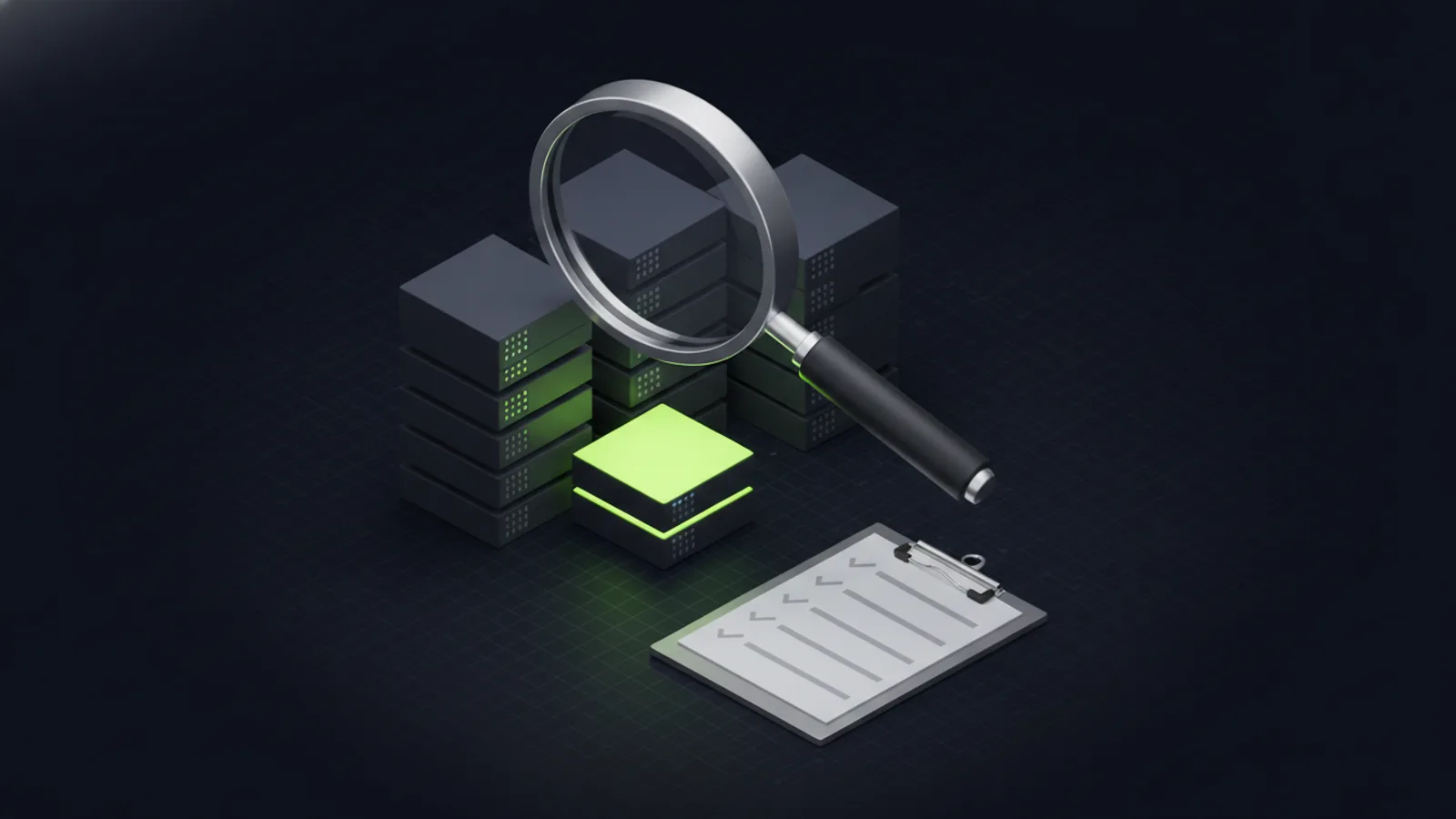
1. Assess Your Current Infrastructure
- Identify Vulnerabilities: Perform a comprehensive audit of your existing IT infrastructure to identify potential vulnerabilities and weaknesses. Turning that audit into an ongoing program is covered in our guide to vulnerability management for business.
- Use Security Tools: Employ specialized tools and services to conduct a detailed security assessment.
2. Develop a Cybersecurity Plan
- Define Security Protocols: Establish clear security strategies and protocols for data handling, access controls, and security incident response.
- Regular Updates and Maintenance: Schedule regular updates and maintenance tasks to ensure all components are secure and up-to-date.
3. Implement Network Security Measures
- Firewalls: Configure firewalls to monitor and control incoming and outgoing network traffic based on predetermined security rules.
- VPNs: Implement Virtual Private Networks to secure remote access for employees.
- Intrusion Detection and Prevention: Utilize IDS and IPS to identify and block potential threats.
4. Secure Hardware
- Secure Access: Ensure all hardware is stored in secure locations with controlled access.
- Surveillance: Install surveillance cameras and access control systems to monitor and restrict physical access.
- Regular Maintenance: Schedule regular hardware maintenance checks.
5. Strengthen Software Security
- Licensed Software: Use only licensed and reputable software to ensure you receive latest updates and security patches.
- Regular Updates: Keep all software applications up-to-date with latest patches.
- Anti-Virus and Anti-Malware: Install and regularly update anti-virus and anti-malware solutions.
6. Protect Your Data
- Data Encryption: Encrypt all sensitive data both in transit and at rest.
- Regular Backups: Implement a regular backup schedule to secure data in multiple locations.
- Data Recovery Plan: Develop a comprehensive data recovery plan to quickly restore data in the event of a breach.
7. Control Access
- User Authentication: Use strong authentication methods, such as passwords, biometrics, and security tokens.
- Multi-Factor Authentication (MFA): Require MFA for accessing critical systems.
- Role-Based Access Control (RBAC): Assign access permissions based on user roles.
8. Implement Cloud Security Solutions
- Protect Data: Utilize secure cloud storage solutions and regularly back up data.
- Control Access: Establish stringent access controls and authentication mechanisms for cloud services.
- Monitor and Manage: Utilize cloud management tools to maintain visibility and control.
9. Train Your Staff
- Educate Employees: Regularly train employees on security best practices, such as recognizing phishing attempts.
- Enforce Security Policies: Implement and enforce comprehensive security policies.
- Foster a Security Culture: Encourage a culture of security within your organization.
10. Monitor and Review
- Network Monitoring: Use network monitoring tools to continuously track network activity.
- Regular Audits: Conduct regular security audits to review and improve cybersecurity measures.
- Incident Response Plan: Develop and maintain an incident response plan to effectively handle security breaches.
Build a Secure IT Infrastructure with Expert Guidance and Advanced Solutions
Securing your IT infrastructure is an ongoing process that requires diligence, planning, and continuous improvement. The cybersecurity specialists at Unio Digital have the resources, skills, and knowledge to implement and support the security solutions your IT infrastructure needs.
Sources and Standards
- NIST Cybersecurity Framework (CSF 2.0), the layered-control framework this guide's 10 steps align to: nist.gov/cyberframework
- CISA Cross-Sector Cybersecurity Performance Goals, a prioritized baseline of controls (MFA, backups, training, monitoring) for small and mid-size organizations: cisa.gov/cross-sector-cybersecurity-performance-goals
- IBM Cost of a Data Breach Report, annual research quantifying breach impact and the cost difference layered controls make: ibm.com/reports/data-breach
Guidance last reviewed July 2026 by the Unio Digital team.
Ready to Secure Your IT Infrastructure?
Start with our free IT Security Assessment to see where your organization stands across 51 critical security technologies.
Take Free Assessment