Vaping in schools and commercial buildings has become a significant challenge for administrators and facility managers. Traditional enforcement methods struggle to address the problem because vaping often occurs in restrooms, locker rooms, and other areas where security cameras cannot be installed due to privacy concerns. Vape detection systems solve this by using environmental sensors to identify vaping activity in real time, without capturing audio or video.
These systems have evolved well beyond simple smoke detectors. Modern vape detectors are sophisticated environmental monitoring platforms that can detect a range of airborne substances and environmental changes, making them valuable tools for both policy enforcement and occupant safety.
The Growing Vape Problem in Schools and Workplaces
According to the CDC, over 2.5 million middle and high school students used e-cigarettes in recent years, with a significant portion vaping on school grounds. The problem extends beyond students. Commercial buildings, healthcare facilities, and office environments all contend with occupants vaping in enclosed spaces, which affects air quality and creates liability concerns for property owners.
Schools face particular difficulty because the most common vaping locations are restrooms and locker rooms, where installing cameras would violate student privacy. Without a detection mechanism, administrators rely on catching students in the act or responding to tips from other students, neither of which is reliable or scalable.
For commercial property managers, vaping in restrooms and stairwells introduces chemical particulates into HVAC systems, creates unpleasant odors for other tenants, and may violate smoke-free building policies. In some jurisdictions, property owners can face fines if they fail to enforce no-smoking and no-vaping ordinances.
How Vape Detection Sensors Work
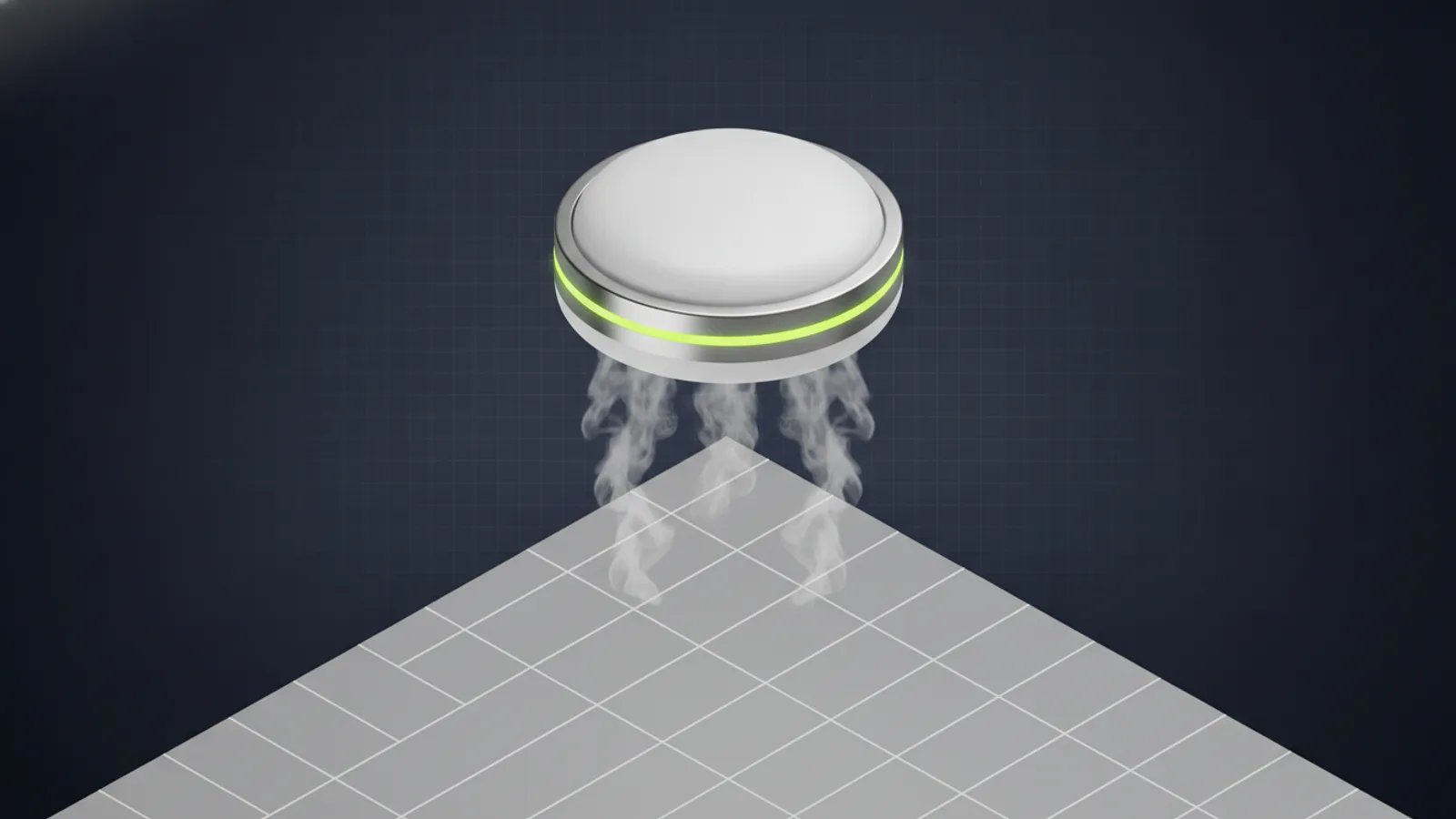
Vape detection sensors use a combination of particulate matter sensors, chemical compound sensors, and environmental monitoring capabilities to identify when someone is vaping in a monitored space. Unlike a traditional smoke detector that relies on a single detection method, vape detectors analyze multiple data points simultaneously.
Particulate Matter Detection
Vape aerosol contains fine and ultrafine particles that are distinct from ambient air. Vape detectors measure the concentration and size distribution of airborne particles. When the particulate profile matches the signature of vape aerosol, the sensor triggers an alert. Advanced sensors can distinguish between vape particles, steam from a shower, and aerosol from cleaning products, reducing false alarms.
Chemical Compound Sensors
Many vape detectors include volatile organic compound (VOC) sensors that detect the chemical byproducts of e-cigarette liquids, including propylene glycol, vegetable glycerin, and nicotine. Some sensors can also detect THC, the active compound in cannabis vape products, which is particularly important for schools operating under zero-tolerance drug policies.
Environmental Baseline Monitoring
The sensor establishes a baseline reading of normal air quality for the space where it is installed. When readings deviate from the baseline in a pattern consistent with vaping, the system generates an alert. This approach reduces false positives because the sensor understands what normal conditions look like for that specific location.
Features Beyond Vape Detection
Leading vape detection platforms like the HALO Smart Sensor offer capabilities that extend well beyond identifying vape aerosol. These additional features make the investment more versatile and increase the return for schools and building owners.
Air Quality Monitoring
Vape detectors equipped with environmental sensors can continuously monitor CO2 levels, temperature, humidity, and overall air quality index (AQI). For schools, this data supports healthy learning environments. For commercial buildings, it helps facility managers optimize HVAC performance and demonstrate compliance with indoor air quality standards.
Noise and Aggression Detection
Some vape detection systems include sound level sensors that can detect abnormal noise patterns, such as shouting or sounds consistent with physical altercations. These systems do not record audio. They analyze decibel levels and sound patterns to identify potential safety incidents. When a noise threshold is exceeded, the system sends an alert to designated staff.
Gunshot Detection
Certain advanced models include acoustic sensors calibrated to detect the sound signature of a gunshot. In a school environment, this provides an additional layer of safety by triggering immediate alerts to administrators and law enforcement. This capability transforms the vape detector from a policy enforcement tool into a component of the building's overall life safety system.
Occupancy and Tampering Alerts
Motion sensors and tamper detection capabilities alert administrators when someone attempts to disable, cover, or remove the device. Occupancy data can also identify when restrooms or other monitored spaces are being used by an unusual number of people simultaneously, which may indicate bullying, vaping groups, or other policy violations.
Installation Considerations
Proper placement is critical to the effectiveness of a vape detection system. The sensors need adequate airflow and must be positioned where vape aerosol is likely to reach them.
Restrooms and locker rooms: These are the primary installation locations for schools. Sensors should be mounted on the ceiling near exhaust vents. If the restroom has aggressive ventilation, additional sensors may be needed to ensure detection before the aerosol is extracted.
Stairwells: Enclosed stairwells in commercial buildings are common vaping spots. Sensors should be placed on each landing, particularly near doors where people tend to linger.
Conference rooms and private offices: In commercial environments where vaping policies must be enforced, sensors can be installed in enclosed rooms without privacy concerns.
Network connectivity: Most vape detection systems communicate over the building's existing network infrastructure, either via Ethernet (PoE) or Wi-Fi. Alerts are delivered through a cloud-based management platform, mobile app notifications, email, or integration with the building's existing security or building management system. Installation requires coordination between the security systems integrator and the building's IT team to ensure reliable connectivity and alert routing.
Privacy Advantages Over Cameras
One of the most important characteristics of vape detection systems is what they do not do. They do not capture video. They do not record audio. They do not store any personally identifiable information. This makes them legally and ethically appropriate for installation in spaces where cameras are prohibited, such as restrooms, locker rooms, and changing areas.
For school districts, this distinction is critical. Federal and state privacy laws restrict the use of surveillance equipment in areas where students have a reasonable expectation of privacy. Vape detection sensors comply with these restrictions because they only measure environmental conditions. The sensor knows that someone vaped in the restroom, but it does not know who.
Combined with video surveillance at restroom entry points, administrators can correlate detection alerts with footage of who entered and exited the area during the detection window, building a reasonable case without violating privacy boundaries.
Getting Started with Vape Detection
Implementing a vape detection system begins with a site assessment to identify the locations where vaping is most likely to occur and where detection will have the greatest impact. The assessment should also evaluate existing network infrastructure to confirm that sensors can communicate reliably.
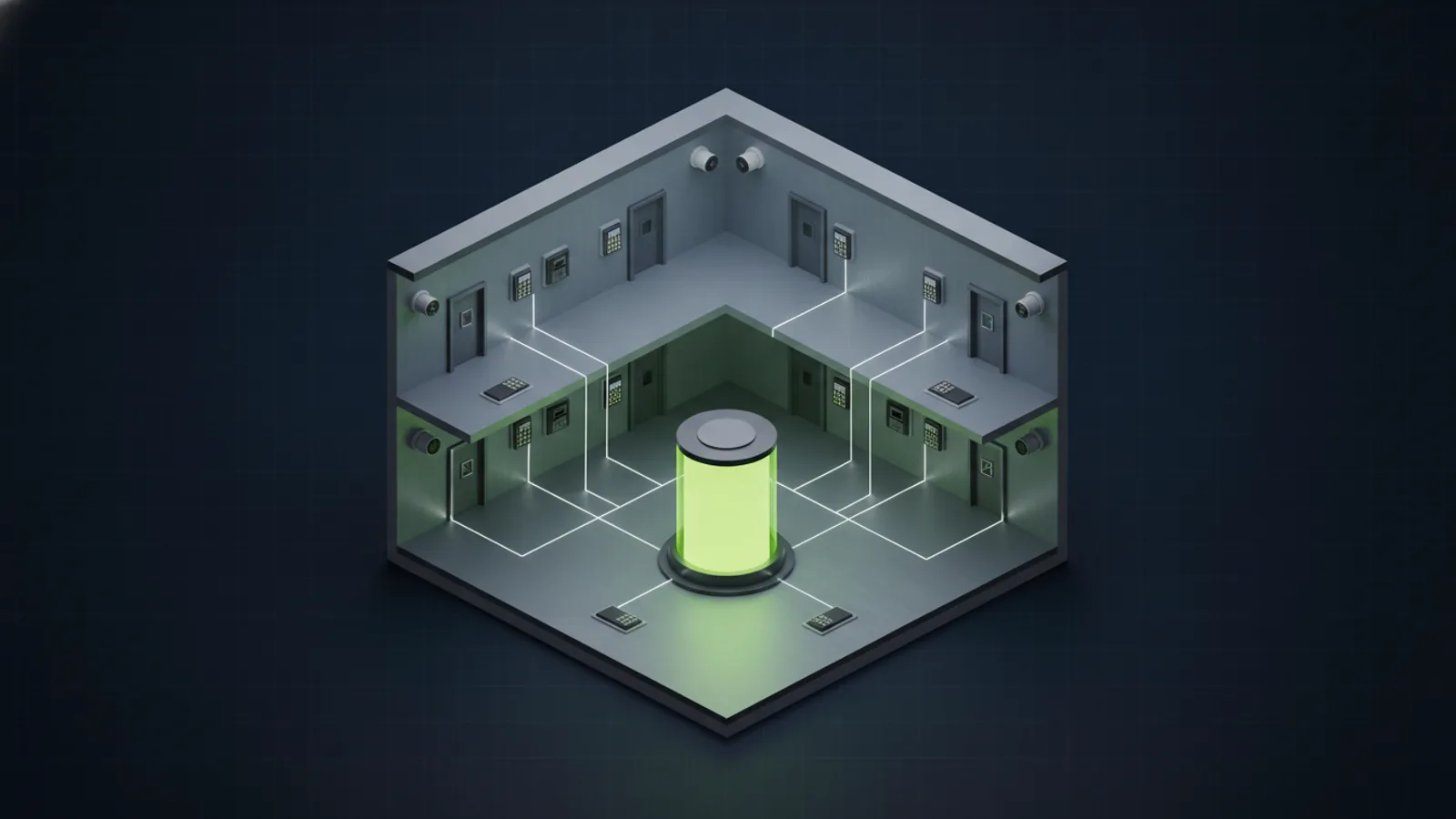
Most systems are deployed as part of a broader physical security solution and can be integrated with existing access control, video surveillance, and notification systems. This integration allows a single alert to trigger multiple responses, such as notifying an administrator, saving a video clip from a nearby camera, and logging the event for reporting.
If your school, district, or commercial property is dealing with vaping challenges, Unio Digital can help you evaluate vape detection solutions, plan your installation, and integrate the system with your existing security infrastructure.