Choosing between a wired and wireless network is one of the most important infrastructure decisions a business can make. Each option comes with its own set of advantages and drawbacks, and the right choice depends on your specific business needs, budget, and growth plans. In this guide, we break down the key differences to help you make an informed decision.
Wired Networks
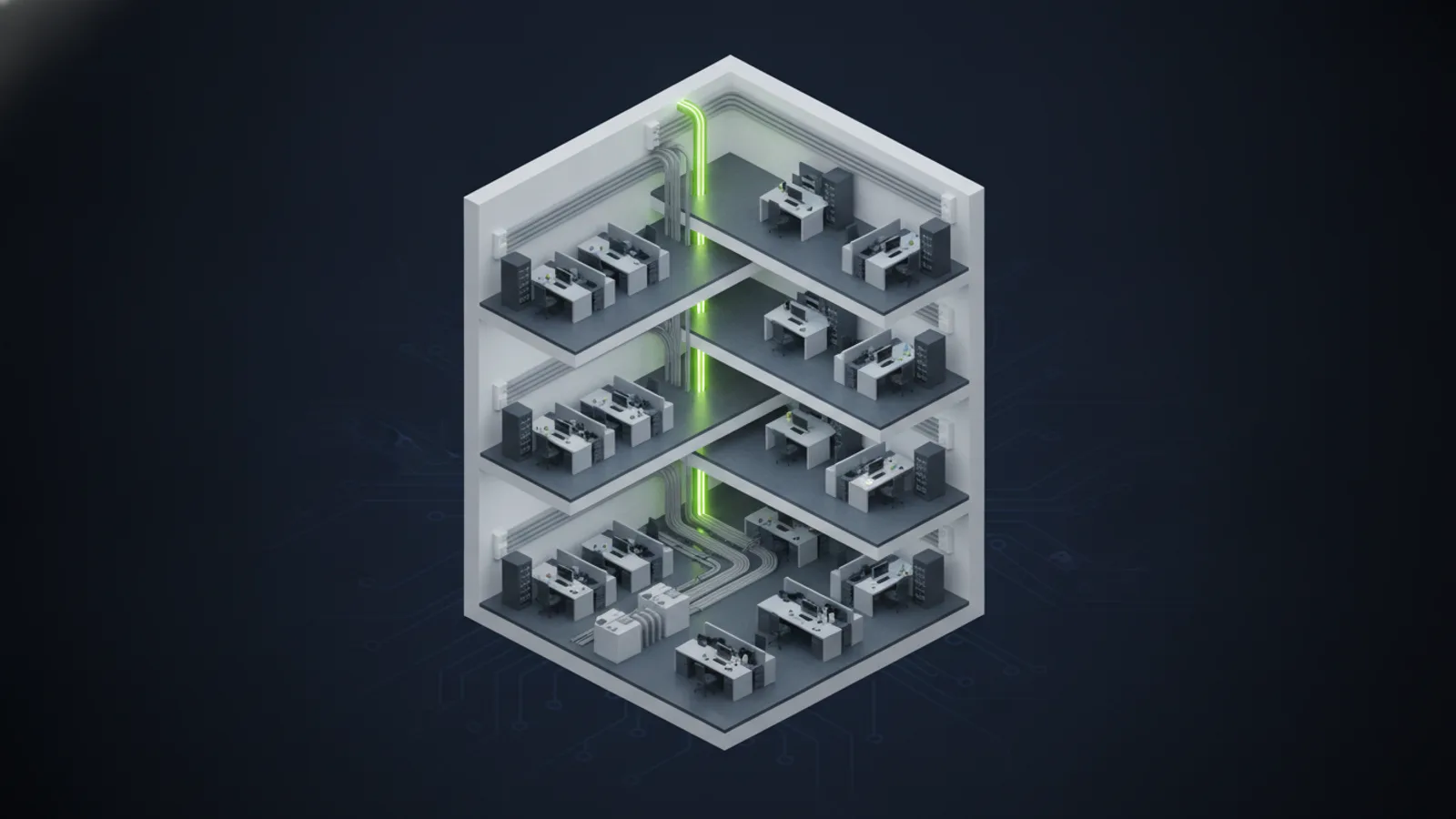
Wired networks use physical Ethernet cables to connect devices to your network. They have been the standard for business networking for decades and continue to offer several compelling advantages. Professional structured cabling services ensure your wired infrastructure is installed cleanly and built to last.
Pros of Wired Networks
- Reliability: Wired connections provide a stable and consistent link between devices and your network. Because the connection is physical, there is virtually no risk of signal drops or interference from other devices.
- Speed: Ethernet cables can deliver faster data transfer speeds compared to most wireless connections. With Cat6 or Cat6a cabling, businesses can achieve speeds of up to 10 Gbps, making wired networks ideal for bandwidth-intensive operations. Our ultimate guide to structured cabling covers cable types and standards in detail. A professional ethernet installation ensures your cables are properly terminated and tested for maximum performance.
- Security: Wired networks are inherently more secure than wireless alternatives. Since data travels through physical cables, it is much harder for unauthorized users to intercept your network traffic.
- Consistency: Unlike wireless signals that can fluctuate, wired connections deliver the same performance regardless of the number of connected devices or environmental factors.
Cons of Wired Networks
- Installation: Setting up a wired network requires running cables throughout your facility, which can be time-consuming and costly, especially in larger buildings or older structures that were not designed with cabling in mind.
- Lack of Mobility: Devices connected via Ethernet cables are tied to a specific location. This limits flexibility for employees who need to move around the office or work from different areas.
Wireless Networks
Wireless networks use radio waves to transmit data between devices and access points. They have become increasingly popular as businesses embrace mobility and flexible work environments.
Pros of Wireless Networks
- Mobility: Wireless networks allow employees to connect from anywhere within the coverage area. This is essential for businesses that rely on mobile devices, laptops, and flexible workspaces.
- Scalability: Adding new devices to a wireless network is straightforward and does not require running additional cables. This makes it easier and more cost-effective to scale your network as your business grows.
- Installation: Wireless networks are generally faster and less expensive to install than wired alternatives, since there is no need to run cables through walls and ceilings.
Cons of Wireless Networks
- Interference and Stability Issues: Wireless signals can be disrupted by physical obstacles such as walls and floors, as well as by other electronic devices operating on similar frequencies.
- Speed Limitations: While Wi-Fi technology has improved significantly, wireless connections typically cannot match the raw speed and throughput of a wired Ethernet connection.
- Security Risks: Wireless networks are more vulnerable to unauthorized access if not properly secured. Businesses must implement strong encryption, authentication protocols, and regular security audits to protect their wireless infrastructure.
Making A Decision
The best network solution for your business depends on several factors. Consider the following when making your decision:
- Nature of your work: If your business relies on high-bandwidth applications such as video editing, large file transfers, or real-time data processing, a wired network may be the better choice.
- Employee mobility: If your team needs to move freely throughout the office or work from multiple locations, a wireless network provides the flexibility required.
- Budget: Wired networks typically have higher upfront installation costs, while wireless networks may require ongoing investment in access points and security measures.
- Security requirements: Industries with strict compliance and data protection requirements may benefit from the enhanced security of a wired network.
- Scalability needs: If you anticipate rapid growth or frequent changes to your office layout, a wireless network offers easier scalability.
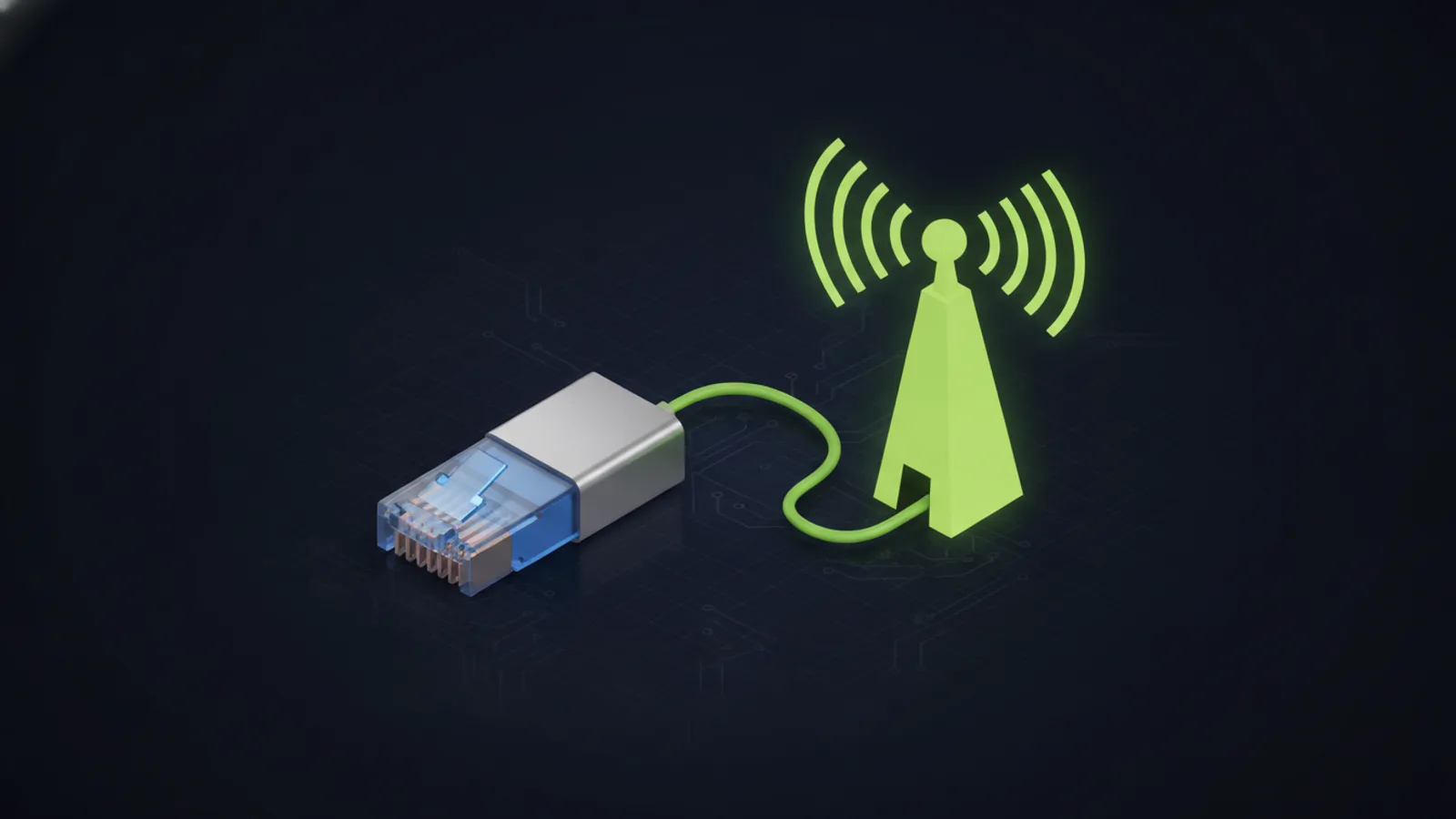
- Hybrid approach: Many businesses find that a combination of wired and wireless networking provides the best of both worlds, with wired connections for stationary workstations and wireless access for mobile devices.
Improve Your Network Performance
Whether you choose wired, wireless, or a hybrid approach, having a well-designed and professionally installed network infrastructure is critical to your business operations. Our managed network services ensure your infrastructure stays optimized long after installation. At Unio Digital, we specialize in Ethernet installation services and network infrastructure solutions that are tailored to your business needs. Our team can assess your current setup, recommend the right solution, and handle the installation from start to finish so you can focus on what matters most: running your business.
Need Help with Your Network Infrastructure?
Contact our team to discuss the best networking solution for your business.
Contact Us