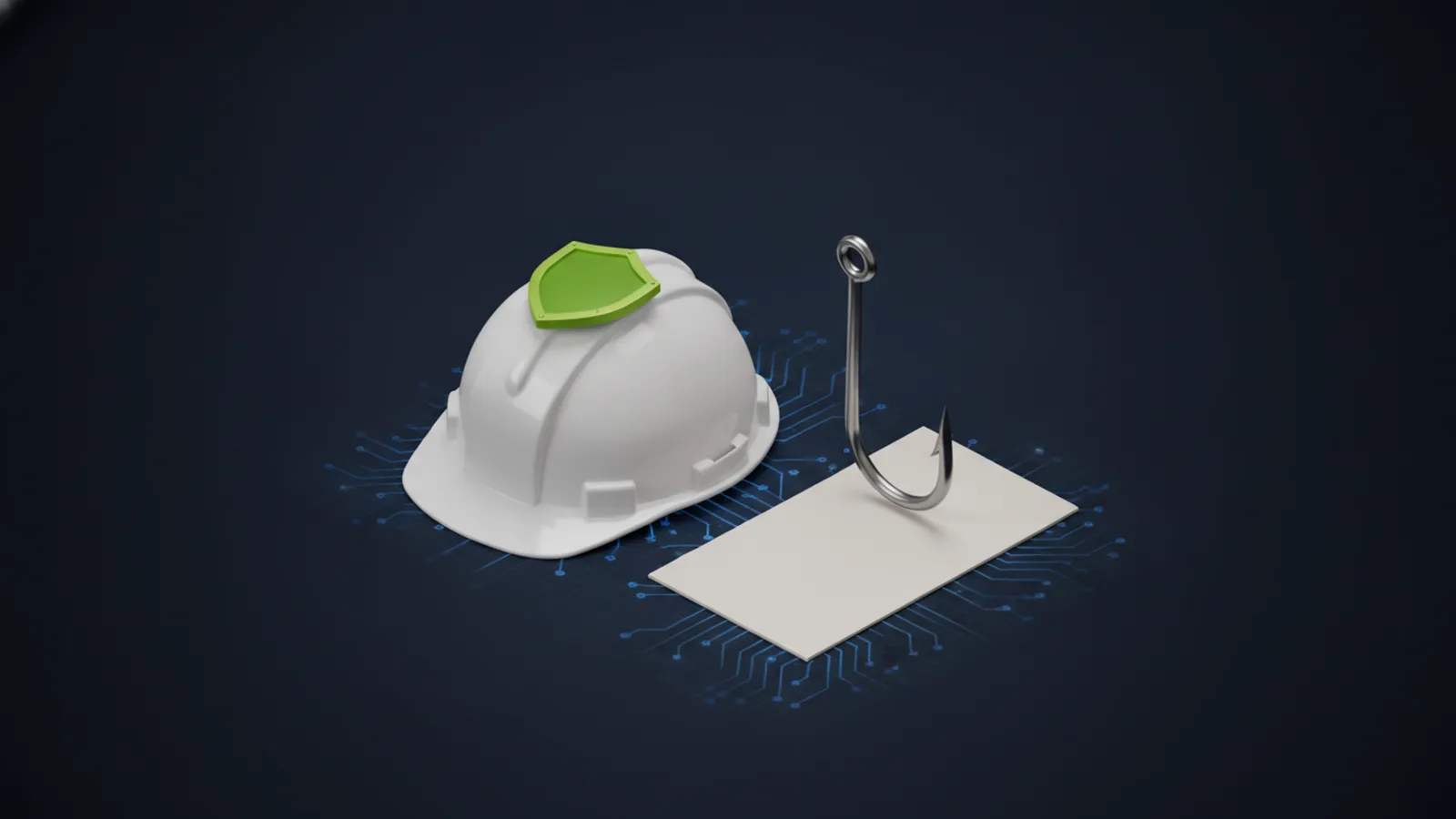
Administrative accounts are one of the most valuable targets in any cyberattack. When an attacker compromises an account with permanent, elevated privileges, they gain the ability to move freely across systems, extract data, install malware, and disable security controls. Zero standing privilege (ZSP) is a security model designed to eliminate that risk by ensuring no user or system account holds permanent administrative access.
For businesses evaluating their cybersecurity posture, understanding zero standing privilege is increasingly important. It represents a shift in how organizations think about privileged access management and is becoming a standard expectation in modern security frameworks.
Understanding the Principle of Least Privilege
Zero standing privilege builds on a foundational security concept known as the principle of least privilege. This principle states that every user, application, and process should have only the minimum level of access required to perform its function. Nothing more, nothing less.
In practice, the principle of least privilege means that a marketing team member should not have access to financial databases, a help desk technician should not have domain administrator rights, and an application should not run with root-level permissions unless absolutely necessary. When access is limited to what is essential, the damage from a compromised account is contained.
Most businesses understand this principle in theory but struggle to implement it consistently. Over time, permissions accumulate. An employee changes roles and retains their old access. A contractor is granted temporary admin rights that are never revoked. These standing privileges create a growing attack surface that is difficult to track and easy for attackers to exploit.
What Is Zero Standing Privilege?
Zero standing privilege takes the principle of least privilege to its logical conclusion. Instead of permanently assigning administrative or elevated access to user accounts, ZSP ensures that no account holds standing privileges at any time. When a user needs elevated access to perform a specific task, they request it through a controlled workflow. The system grants temporary, time-bound access that is automatically revoked once the task is complete or the time window expires.
This approach is sometimes described as just-in-time (JIT) access. The user receives the right permissions at the right time for the right duration, and the elevated access disappears as soon as it is no longer needed. There is no persistent admin account sitting idle, waiting to be compromised.
How ZSP Differs from Traditional Admin Accounts
In a traditional environment, IT administrators have accounts with permanent elevated privileges. These accounts exist around the clock, whether the administrator is actively working or not. If those credentials are stolen through phishing, credential stuffing, or a supply chain attack, the attacker inherits all of that access immediately.
With zero standing privilege, there is nothing to steal. The elevated access does not exist until it is explicitly requested, approved, and provisioned. Even if an attacker compromises a user's standard credentials, those credentials do not carry administrative rights. The attacker would need to also compromise the privileged access management system and the approval workflow, which raises the difficulty and cost of the attack significantly.
Just-in-Time Access in Practice
Implementing just-in-time access requires a privileged access management (PAM) platform that can handle access requests, approval workflows, session monitoring, and automatic deprovisioning. The typical workflow looks like this:
- Request: A user needs to perform a task that requires elevated access, such as modifying a server configuration or installing software. They submit a request through the PAM system specifying what access they need and for how long.
- Approval: Depending on the organization's policy, the request may be auto-approved based on predefined rules or routed to a manager or security team for manual review. High-risk requests may require multi-person approval.
- Provisioning: Once approved, the system grants the specific permissions needed. The user's account is temporarily elevated, or a separate privileged session is created for the task.
- Session monitoring: While the elevated session is active, the PAM system can record the session, log commands, and flag suspicious activity in real time.
- Automatic revocation: When the task is complete or the time window expires, the elevated access is automatically removed. No manual cleanup is required.
This workflow creates a complete audit trail for every instance of privileged access, which is valuable for both security investigations and compliance reporting.
Benefits of Zero Standing Privilege for Businesses
The advantages of adopting a zero standing privilege model extend beyond theoretical security improvements. They address real operational and business concerns.
Reduced Attack Surface
By eliminating persistent privileged accounts, you remove one of the most common targets for attackers. Credential theft, pass-the-hash attacks, and privilege escalation techniques all become less effective when there are no standing privileges to exploit.
Improved Compliance Posture
Regulations like HIPAA, SOX, and CMMC require organizations to control and monitor privileged access. A ZSP model with automated logging and session recording provides the evidence auditors need to verify that access is tightly controlled and fully documented.
Lower Insider Threat Risk
Not all threats come from outside the organization. Disgruntled employees or contractors with standing admin access can cause significant damage. When elevated access is granted only on demand and automatically revoked, the window for misuse shrinks dramatically.
Operational Accountability
Every privileged action is tied to a specific request, approval, and session record. This level of accountability makes it easier to investigate incidents, attribute changes, and understand exactly who did what and when.
Implementation Strategies
Transitioning to a zero standing privilege model does not happen overnight. Most organizations take a phased approach, starting with their highest-risk accounts and expanding from there.
Inventory your privileged accounts. Before you can eliminate standing privileges, you need to know where they exist. Audit all accounts with administrative access across your Active Directory, cloud environments, network devices, and applications. You will likely find more than you expected.
Deploy a PAM solution. Choose a privileged access management platform that supports just-in-time provisioning, approval workflows, session recording, and integration with your existing identity provider. Solutions from vendors like CyberArk, BeyondTrust, and Microsoft Entra ID Governance all offer ZSP capabilities.
Start with the highest-risk accounts. Domain administrator accounts, cloud infrastructure admin roles, and database administrator accounts should be the first to transition. These carry the broadest access and represent the highest risk if compromised.
Define approval policies. Establish clear rules for what can be auto-approved versus what requires manual review. Routine tasks like restarting a service might be auto-approved, while creating a new admin account should require human oversight.
Train your team. Help your IT staff and end users understand why the change is happening and how the new process works. Resistance typically fades once people see that the request process takes seconds rather than minutes.
If your organization needs guidance on implementing zero standing privilege or improving your overall privileged access management strategy, Unio Digital's managed IT team can help you evaluate solutions and build a practical roadmap tailored to your business.