School security has become a top priority for administrators, parents, and communities across the United States. Security cameras in schools play a central role in deterring threats, documenting incidents, and providing real-time situational awareness. However, deploying cameras in educational environments involves navigating a complex landscape of federal and state laws, student privacy regulations, and community expectations. This guide covers the legal framework, placement best practices, technology considerations, and compliance requirements that school administrators and security integrators need to understand before installing or upgrading a school camera system.
Are Security Cameras in Schools Legal?
The short answer is yes. Security cameras in schools are legal in all 50 states. However, there are important restrictions on where cameras can be placed and how footage is handled. The legality of cameras in classrooms and other school areas depends on the specific location within the school, the state in which the school operates, whether audio recording is involved, and how footage is stored, accessed, and retained.
Federal Law: FERPA and Student Privacy
The Family Educational Rights and Privacy Act (FERPA) is the primary federal law governing student privacy in schools. FERPA protects the privacy of student education records, and video footage that can identify individual students may be considered an education record under certain circumstances. Schools must ensure that security camera footage is handled in compliance with FERPA, which means limiting access to authorized personnel, establishing retention and disposal policies, and having procedures in place for responding to requests for footage.
FERPA does not prohibit the use of security cameras in schools. It does, however, require schools to be thoughtful about who can view footage, how long it is retained, and under what circumstances it can be shared with third parties, including law enforcement and parents.
State Laws Vary Significantly
State laws add another layer of regulation. Some states have specific statutes governing cameras in schools, while others rely on general surveillance and privacy laws. Key variations include:
- Cameras in classrooms: Most states allow cameras in classrooms, but some states have introduced legislation requiring parental notification or limiting recording in certain educational settings. A few states have specific laws allowing classroom cameras for special education programs to monitor for abuse.
- Audio recording: This is the most legally sensitive area. Many states have two-party consent laws that prohibit recording audio without the consent of all parties being recorded. In these states, cameras with audio capabilities must have audio recording disabled, or the school must obtain consent. Installing cameras with active microphones in classrooms without proper consent can create significant legal liability.
- Notification requirements: Most states require that schools post signage notifying students, staff, and visitors that video surveillance is in use. Even in states where notification is not explicitly required by law, it is considered best practice.
Where Can and Cannot Cameras Be Placed in Schools?
Camera placement in schools requires balancing security coverage with privacy expectations. Certain areas are appropriate for surveillance, while others are strictly off-limits.
Appropriate Camera Locations
The following areas are generally considered appropriate for security camera placement in schools:
- Building entrances and exits - Essential for monitoring who enters and leaves the facility. These cameras support access control and provide critical footage in the event of an incident.
- Hallways and corridors - High-traffic areas where incidents such as bullying, vandalism, and unauthorized access are most likely to occur.
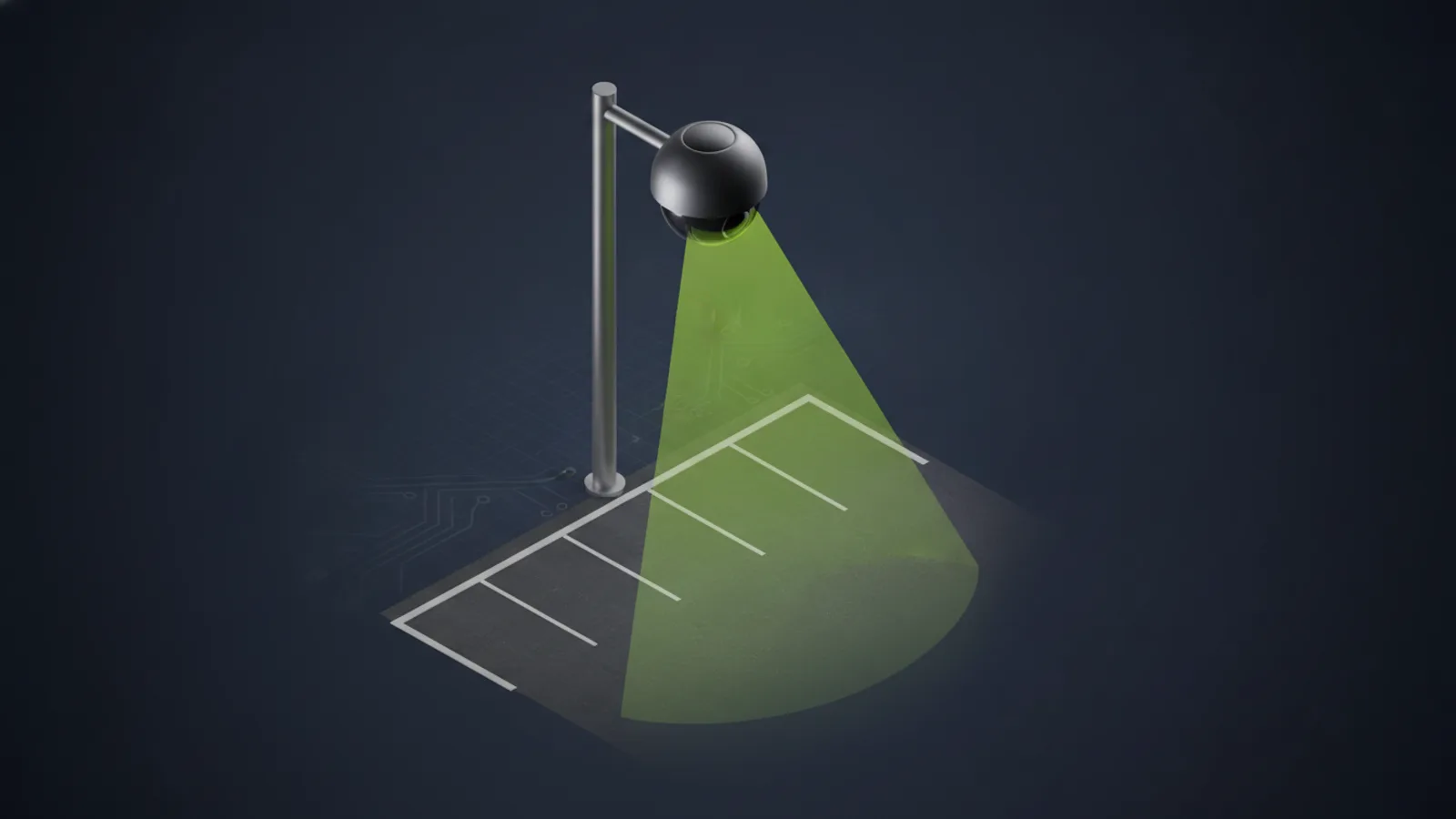
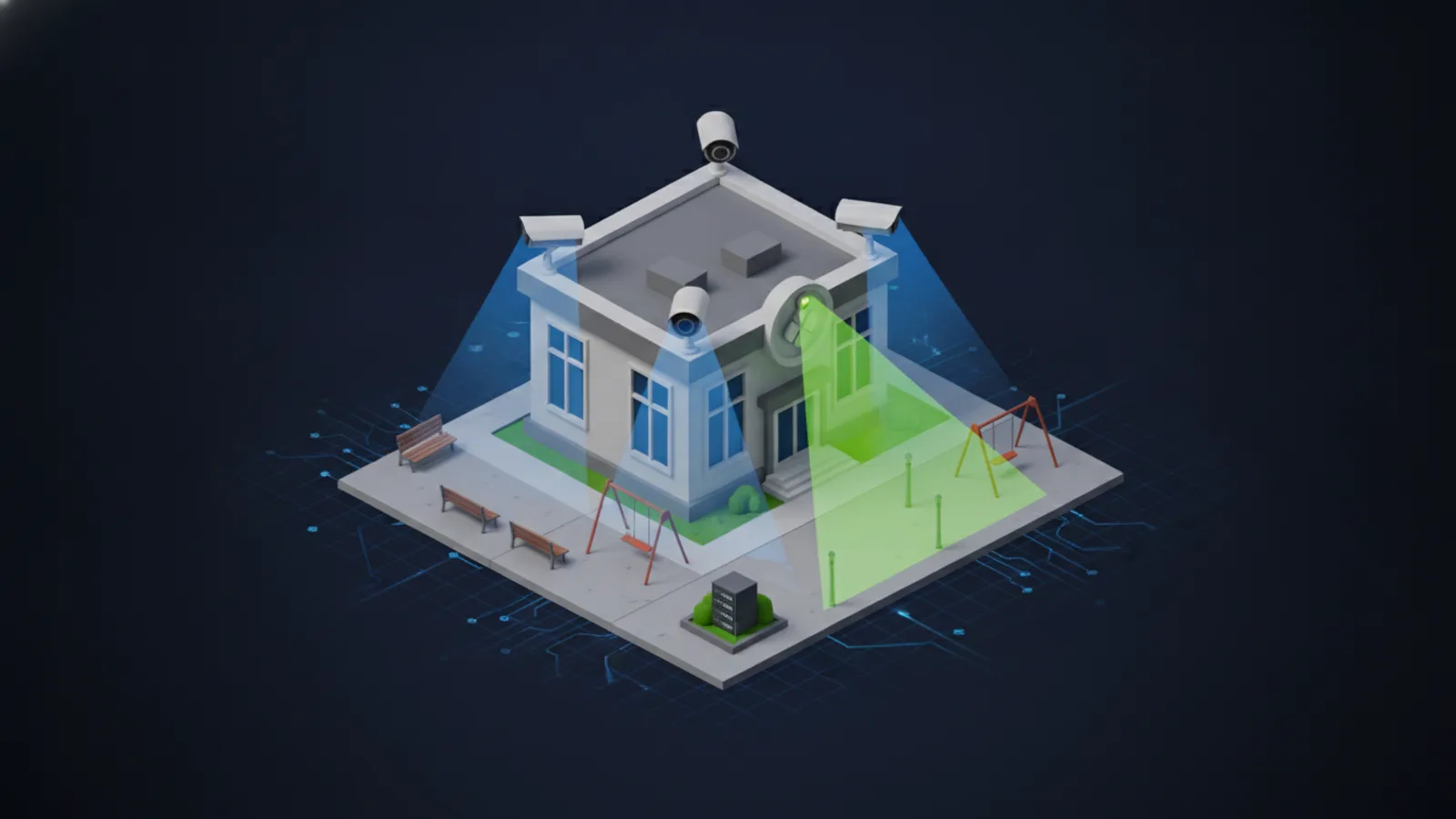
- Parking lots and exterior grounds - Vehicle and pedestrian monitoring, perimeter security, and after-hours surveillance.
- Cafeterias and common areas - Large gathering spaces where supervision is challenging and incidents are more frequent.
- Gymnasiums and auditoriums - During events and activities where large numbers of people are present.
- Stairwells - Often unsupervised areas where incidents can occur out of sight of staff.
- Loading docks and maintenance areas - Protecting against theft and unauthorized access.
Areas Where Cameras Are Prohibited
Cameras must never be placed in locations where individuals have a reasonable expectation of privacy:
- Restrooms - Camera installation in restrooms is illegal in every state, without exception.
- Locker rooms and changing areas - The same privacy protections that apply to restrooms extend to any area where students or staff may be undressed.
- Private offices - Faculty and staff offices where private conversations, counseling sessions, or disciplinary meetings occur should generally not have cameras without the occupant's consent.
- Health and counseling rooms - Nurse's offices, counselor offices, and any area where confidential health or psychological information may be discussed.
Because cameras are prohibited in these spaces, many schools deploy privacy-safe environmental sensors instead. Our guide to vape detection systems for schools and buildings explains how these sensors monitor restrooms and locker rooms without recording video or audio.
Cameras in Classrooms: A Gray Area
Cameras in classrooms are legal in most jurisdictions, but they remain a subject of debate. Proponents argue that classroom cameras can deter inappropriate behavior, protect teachers from false accusations, and provide documentation in special education settings. Opponents raise concerns about the chilling effect on academic freedom, student self-expression, and teacher autonomy.
If a school chooses to install cameras in classrooms, best practice is to provide clear notification to students, parents, and staff; disable audio recording unless explicitly permitted by state law and consented to by all parties; establish clear policies about who can access classroom footage and under what circumstances; and focus cameras on overall classroom views rather than individual student close-ups.
Technology Recommendations for School Security Cameras
The technology platform you choose for school security cameras significantly impacts the system's effectiveness, manageability, and long-term cost. Cloud-managed camera systems have become the preferred approach for educational institutions.
Why Cloud-Managed Cameras Are Ideal for Schools
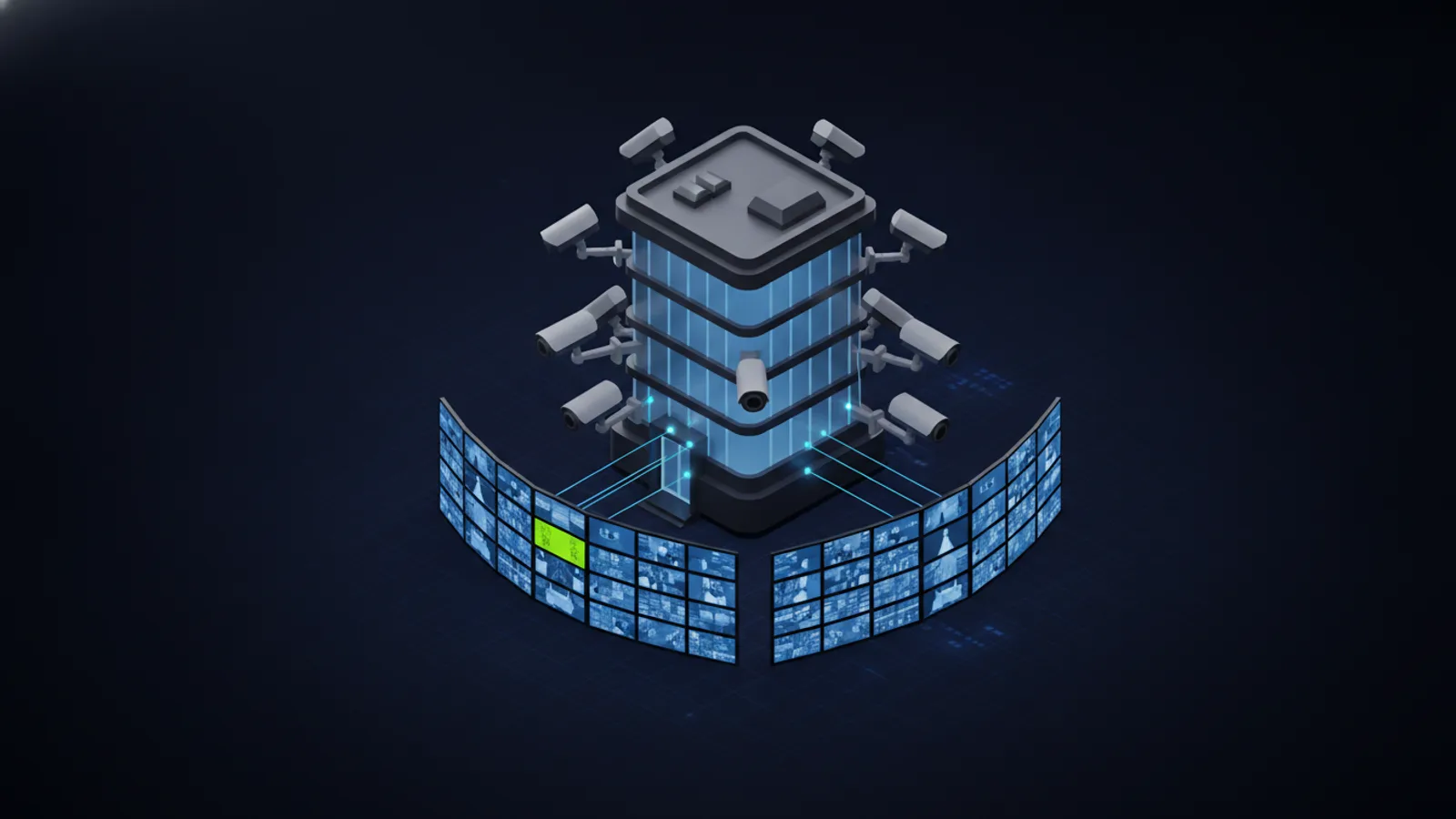
Traditional NVR/DVR-based camera systems require on-site servers, manual firmware updates, and physical access for video review. Cloud-managed platforms like Rhombus eliminate these limitations by providing centralized management across all school buildings from a single dashboard, automatic firmware updates and security patches, remote video access for administrators and security personnel, intelligent analytics including people counting, unusual activity detection, and automated alerts, and simplified scaling as new cameras or buildings are added.
For school districts managing multiple campuses, the ability to view and manage all cameras from a single cloud platform is a significant operational advantage. Administrators do not need to be on-site to review footage, and IT staff do not need to maintain local recording servers at every building.
Key Camera Features for Schools
When selecting cameras for a school environment, prioritize the following capabilities:
- High resolution (4K or higher) for clear identification of individuals in footage.
- Wide dynamic range (WDR) for areas with challenging lighting, such as entrances where bright outdoor light meets darker interior spaces.
- Tamper-resistant housings for areas accessible to students.
- Built-in storage for edge recording that continues even if the network connection is interrupted.
- AI-powered analytics for detecting unusual behavior patterns without requiring constant human monitoring.
- Encrypted video transmission and storage to protect footage in compliance with FERPA requirements.
Compliance Best Practices for School Camera Programs
A compliant and effective school camera program requires more than just hardware installation. The following practices ensure that your program operates within legal boundaries and serves its intended security purpose.
Develop a Written Surveillance Policy
Create a comprehensive policy that covers the purpose of the surveillance program, where cameras are and are not placed, who has access to live feeds and recorded footage, how long footage is retained before deletion, procedures for responding to footage requests from parents and law enforcement, and how the school handles FERPA obligations related to video records. This policy should be reviewed by legal counsel, approved by the school board, and made available to parents and staff.
Post Clear Signage
Install signage at all building entrances and in monitored areas stating that video surveillance is in use. Signage should be clearly visible and written in languages commonly spoken in the school community.
Limit Access to Footage
Establish role-based access controls so that only authorized personnel can view live feeds or recorded footage. Classroom teachers generally should not have access to hallway cameras, and administrative staff should not have unrestricted access to all footage. Log all access to footage for accountability and audit purposes.
Establish Retention Policies
Define how long footage is retained and automate deletion after the retention period expires. Typical retention periods for school cameras range from 30 to 90 days. Longer retention may be required for footage related to ongoing investigations or legal proceedings. Cloud-managed platforms like Rhombus make automated retention management straightforward.
Train Staff on Proper Use
All staff members who have access to camera systems should receive training on appropriate use, privacy obligations, FERPA requirements, and incident documentation procedures. Training should be repeated annually and documented.
How Unio Digital Supports School Security
Unio Digital designs and installs video surveillance systems for educational institutions, with a focus on cloud-managed platforms like Rhombus that deliver enterprise-grade security with minimal IT overhead. Our team works with school administrators to assess security needs, design camera layouts that maximize coverage while respecting privacy requirements, and implement systems that comply with FERPA and state regulations.
From initial site survey through installation and ongoing support, we provide a complete security solution tailored to the unique requirements of educational environments. Contact Unio Digital to discuss your school's security camera needs.
Need Help With School Security?
Contact Unio Digital for a free site survey and consultation on cloud-managed security camera systems for your school or district.
Get a Free Quote