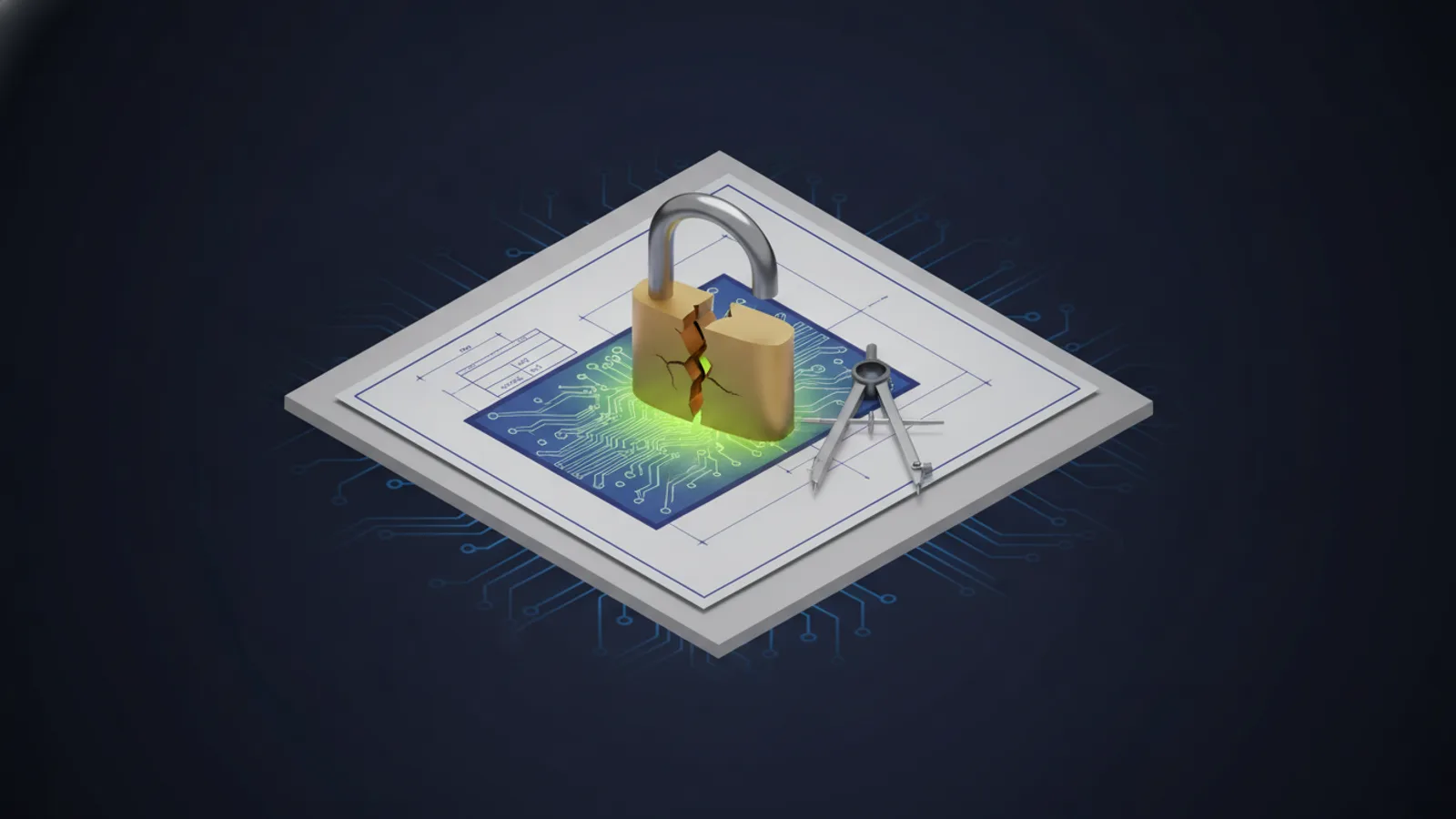
Cyber threats are constantly evolving, and prevention alone is no longer enough. Organizations need a comprehensive approach that not only defends against attacks but also ensures rapid recovery when breaches occur. This post explores how to build a cyber resilience strategy that prepares your organization to withstand and recover from attacks while maintaining continuous business operations.
What is Cyber Resilience?
Cyber resilience is an organization's ability to prepare for, respond to, and recover from cyberattacks while maintaining continuous business operations. Unlike traditional cybersecurity, which focuses primarily on prevention, cyber resilience assumes that breaches will occur and emphasizes the ability to continue operating and recover quickly when they do. A resilient organization can absorb the impact of an attack, adapt to changing threat conditions, and restore normal operations with minimal disruption.
Why You Need a Cyber Resilience Strategy
The cyber threat landscape grows more complex every year. The average cost of a data breach reached $4.88 million in 2024 (IBM), and only 12% of organizations that experience ransomware fully recover their data (Verizon DBIR). Sophisticated attackers use advanced techniques to bypass traditional defenses, and even well-protected organizations experience security incidents. A cyber resilience strategy addresses several critical business needs:
- Evolving threat landscape: New attack vectors and techniques emerge constantly, making it impossible to prevent every intrusion
- Regulatory compliance: Many industries now require demonstrated resilience capabilities as part of compliance frameworks
- Business continuity: Extended downtime from cyber incidents can threaten business survival
- Customer confidence: Demonstrating resilience builds trust with clients and partners who depend on your services
The Benefits of a Strong Cyber Resilience Strategy
Investing in cyber resilience delivers measurable benefits across your organization. With the median attacker dwell time now at 11 days before detection (Mandiant), organizations that invest in resilience can significantly reduce the window of exposure:
- Minimized operational downtime: Faster detection and response reduce the duration of disruptions
- Reduced financial impact: Effective recovery procedures limit the cost of incidents
- Protected brand reputation: Demonstrating preparedness maintains stakeholder confidence
- Enhanced team capabilities: Regular training and testing improve your team's ability to respond effectively
Building Your Cyber Resilience Strategy
Developing a robust cyber resilience strategy involves several key components. Each element strengthens your overall ability to withstand and recover from cyber incidents.
1. Conduct a Risk Assessment
Begin by identifying your most critical assets, systems, and data. Evaluate the threats most likely to target your organization and assess the potential impact of different attack scenarios. This assessment provides the foundation for prioritizing your resilience investments.
2. Implement Cyber Defense Measures
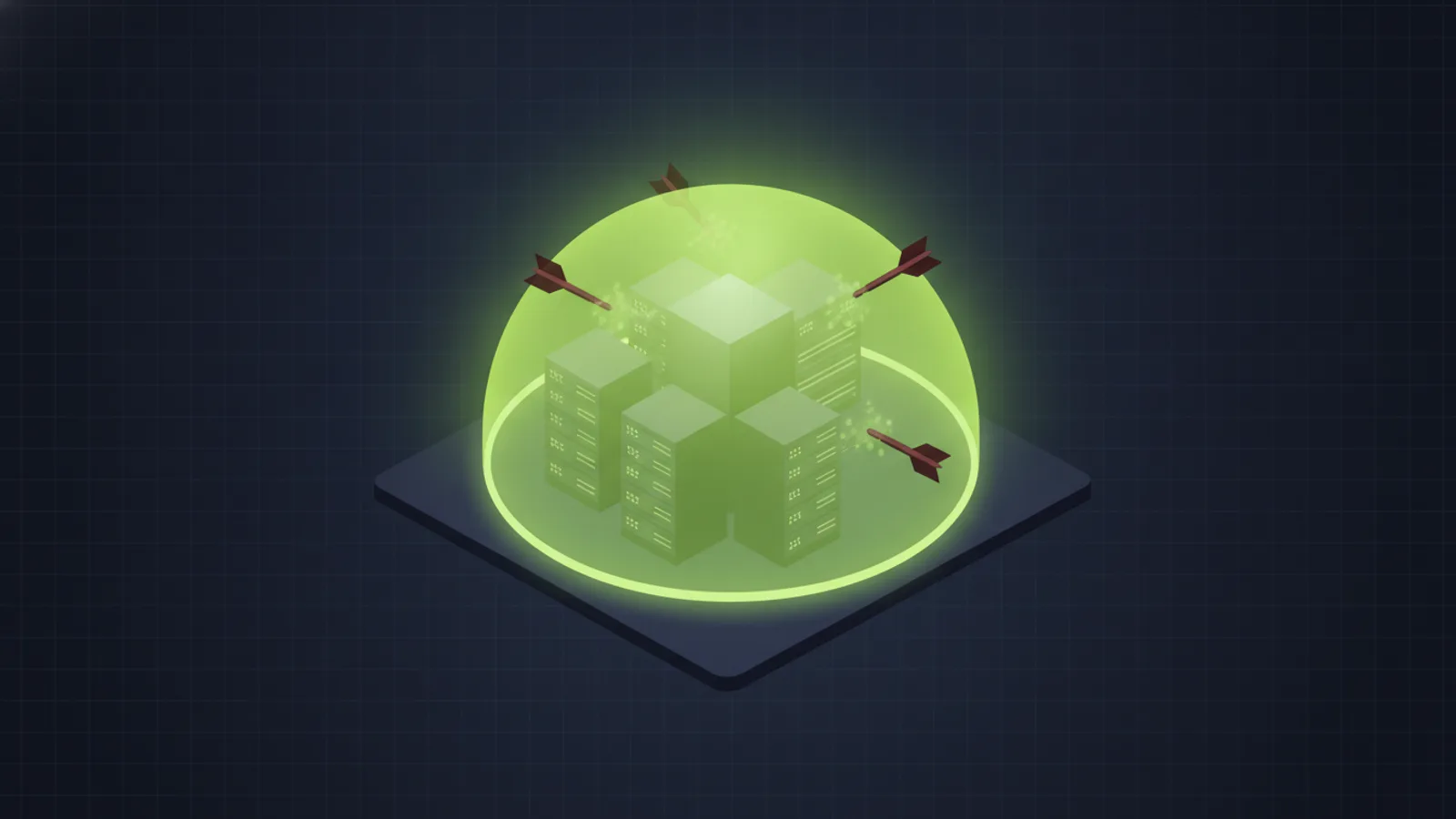
Deploy layered security controls including firewalls, endpoint protection, email security, and network monitoring. While no defense is perfect, strong preventive measures reduce the frequency and severity of successful attacks. Focus on protecting your most critical assets first.
3. Develop an Incident Response Plan
Create detailed procedures for detecting, containing, and responding to security incidents. Define roles and responsibilities, establish communication protocols, and document step-by-step response procedures. A well-rehearsed incident response plan enables faster, more effective action when incidents occur.
4. Leverage Backup and Recovery Solutions
Implement robust backup systems that protect your critical data and enable rapid restoration. Follow the 3-2-1 backup rule: maintain three copies of your data on two different media types with one copy stored offsite or in the cloud. Regularly test your recovery procedures to ensure they work when needed.
5. Invest in Threat Detection and Monitoring
Deploy managed detection and response that provides visibility across endpoints, identities, and security logs. Modern MDR platforms combine endpoint detection and response (EDR), identity threat detection for Microsoft 365 and cloud environments, and centralized log monitoring (SIEM) — all backed by a 24/7 Security Operations Center. This unified approach correlates telemetry across all three layers to detect multi-stage attacks that any single tool would miss, with response times measured in minutes rather than hours or days.
6. Foster a Security-First Culture
Your employees are both your greatest vulnerability and your strongest defense. Provide regular security awareness training to help staff recognize phishing attempts, social engineering, and other common attack techniques. Encourage reporting of suspicious activity and make security a shared responsibility across the organization.
7. Collaborate with Experts
Partner with experienced cybersecurity professionals who provide a 24/7 Security Operations Center staffed by human threat analysts — not just automated alerts. The best managed security partners investigate every signal, validate threats, execute containment (isolating compromised endpoints, revoking stolen sessions, disabling compromised accounts), and deliver detailed incident reports with remediation steps. They also bring broader threat intelligence from monitoring millions of endpoints and identities across thousands of organizations, giving your business visibility into attack patterns before they reach your environment.
Cyber Resilience vs. Cyber Defense
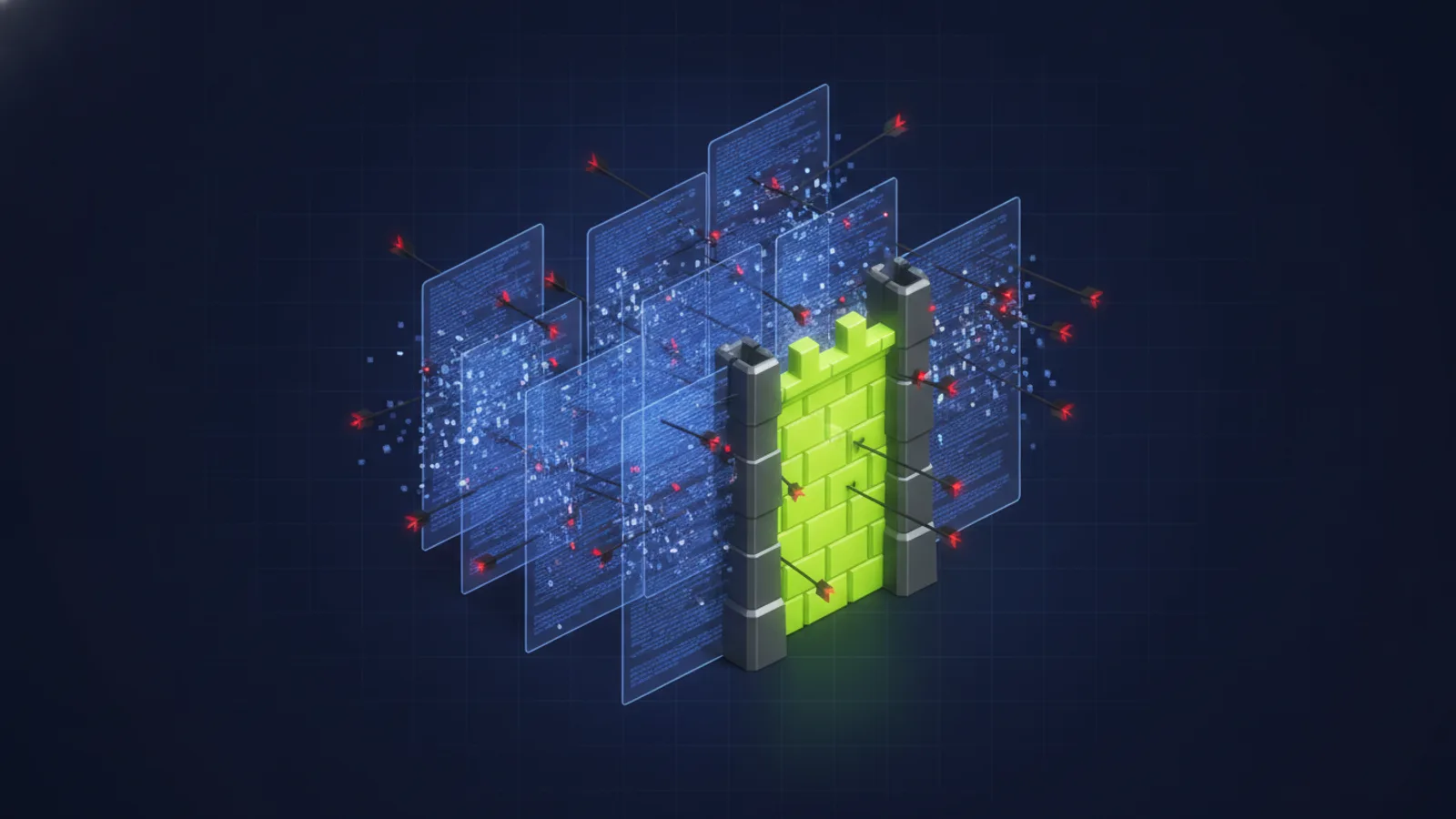
Understanding the distinction between cyber resilience and cyber defense is crucial for building an effective security program. Cyber defense focuses on preventing attacks from succeeding through firewalls, access controls, and other protective measures. Cyber resilience acknowledges that some attacks will succeed despite these defenses and emphasizes the ability to detect incidents quickly, respond effectively, and recover operations with minimal impact.
A mature security program incorporates both approaches. Strong defenses reduce the frequency of incidents, while resilience capabilities minimize the impact when incidents do occur. Together, they provide comprehensive protection for your organization.
Prepare for Future Threats With Stronger Business Continuity
Investing in cyber resilience today positions your organization to handle increasingly sophisticated threats in the future. The threat landscape will continue to evolve, but organizations with strong resilience capabilities can adapt and continue operating regardless of what challenges arise.
Unio Digital helps businesses build comprehensive cyber resilience strategies that combine robust defenses with effective response and recovery capabilities. Our team provides the expertise and tools you need to protect your operations and maintain business continuity in an increasingly hostile threat environment.
Ready to Build Your Cyber Resilience?
Start with our free IT Security Assessment to evaluate your current security posture across 51 critical technologies.
Take Free Assessment